

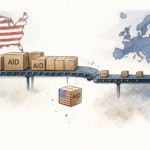
The ongoing U.S. government shutdown, now extending beyond 40 days, has delayed more than $5 billion in weapons exports intended for NATO allies and potentially Ukraine, according to State Department estimates shared with Axios. The disruption highlights how extended furloughs and reduced staffing across federal agencies are impacting international security and U.S. industry.
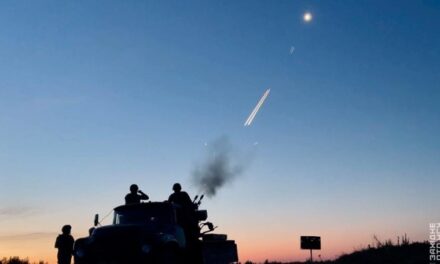
Senior State Department officials described the situation as damaging to both allies and domestic defense manufacturers. Deliveries of critical systems, including AMRAAM missiles, Aegis combat systems, and HIMARS, have been stalled for countries such as Denmark, Croatia, and Poland. While the ultimate destinations are not always publicly specified, many of these sales support efforts to aid Ukraine.
The delays are occurring despite the arms sales being routine and uncontroversial under normal circumstances. Both direct government-to-government transfers and private U.S. defense company exports require Congressional review under the Arms Export Control Act. However, with a significant portion of State Department staff furloughed—particularly within the Bureau of Political-Military Affairs—briefings and approvals have slowed dramatically. Last month, staffing for arms sales support was reported at roughly 25% of normal levels.
Political leaders have criticized the delays. State Department spokesperson Tommy Pigott claimed that partisan actions are slowing critical weapons deliveries, hurting U.S. industry and security. Senate Foreign Relations Chair James Risch warned that adversaries like China and Russia continue operations unhindered while the U.S. struggles to maintain its arms commitments.
The shutdown’s impact on weapon exports illustrates a broader ripple effect of federal inactivity. Beyond domestic inconvenience, international partners face delayed defense capabilities, potentially affecting strategic security, readiness, and ongoing support for Ukraine. The combination of bureaucratic pauses and political disputes leaves both U.S. allies and the industrial base in a precarious position, demonstrating how domestic gridlock can have global consequences.
Read more at Axios.






 English
  Ukrainian
  French
  German
  Spanish
  Chinese