

A New Era of NATO Limited US Support
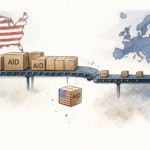
NATO limited US support is no longer a hypothetical concern—it is rapidly becoming a central factor shaping Europe’s defense planning. As Washington scales back troop deployments and shifts strategic attention to Asia, European nations are preparing for a future in which they may have to confront Russian aggression with far less American involvement. Recent military exercises in Romania illustrate how that reality is taking form and what it means for regional security.
Europe’s Wargames Without America
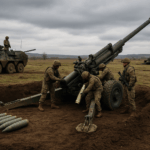
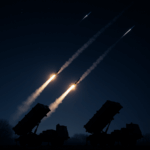
This November’s large-scale drills in Romania showcased European troops conducting a full-brigade defense along the Carpathian line with minimal US assistance. French-led units, supported by European armor and artillery, simulated a scenario in which Russian forces strike NATO’s eastern flank. While the exercise demonstrated European cohesion, it also revealed critical gaps: airspace control, missile defense, long-range strike capabilities, and operational logistics still rely heavily on the US.
Source: https://www.bloomberg.com
Strains Exposed by Reduced US Deployments
The Trump administration’s decision to reduce American troop numbers in Romania, Bulgaria, Slovakia, and Hungary has prompted growing concern among European leaders. Behind closed doors, several officials in Bucharest expressed frustration, worrying that Romania could face a Ukraine-like invasion before reinforcements arrive. Logistical challenges remain severe: French commanders detailed how their equipment convoy required planes, trains, and multiple border stops, adding days of delays that could be pivotal in an actual conflict.
Europe Races to Rebuild Its Own Defense Base
Romania is using EU’s SAFE fund—worth €150 billion—to bolster its forces and rebuild defense industries. Major manufacturers like Rheinmetall are investing in ammunition plants in Romania and Bulgaria. The intent is clear: Europe wants the capacity to fight without defaulting to US systems.
A New Era of NATO Limited US Support
NATO limited US support is no longer a hypothetical concern—it is rapidly becoming a central factor shaping Europe’s defense planning. As Washington scales back troop deployments and shifts strategic attention to Asia, European nations are preparing for a future in which they may have to confront Russian aggression with far less American involvement. Recent military exercises in Romania illustrate how that reality is taking form and what it means for regional security.
Europe’s Wargames Without America
This November’s large-scale drills in Romania showcased European troops conducting a full-brigade defense along the Carpathian line with minimal US assistance. French-led units, supported by European armor and artillery, simulated a scenario in which Russian forces strike NATO’s eastern flank. While the exercise demonstrated European cohesion, it also revealed critical gaps: airspace control, missile defense, long-range strike capabilities, and operational logistics still rely heavily on the US.
Source: https://www.bloomberg.com
Strains Exposed by Reduced US Deployments
The Trump administration’s decision to reduce American troop numbers in Romania, Bulgaria, Slovakia, and Hungary has prompted growing concern among European leaders. Behind closed doors, several officials in Bucharest expressed frustration, worrying that Romania could face a Ukraine-like invasion before reinforcements arrive. Logistical challenges remain severe: French commanders detailed how their equipment convoy required planes, trains, and multiple border stops, adding days of delays that could be pivotal in an actual conflict.
Europe Races to Rebuild Its Own Defense Base
Romania is using EU’s SAFE fund—worth €150 billion—to bolster its forces and rebuild defense industries. Major manufacturers like Rheinmetall are investing in ammunition plants in Romania and Bulgaria. The intent is clear: Europe wants the capacity to fight without defaulting to US systems.
Source: https://www.bloomberg.com
A Continent Preparing for Strategic Autonomy
Romania is already discussing new troop deployments with European partners, with France emerging as a likely candidate. While NATO officials insist the alliance remains united, European strategists acknowledge a long-term trend: the US is stepping back. French generals now openly state that Europe must expect to defend itself—and prepare accordingly.
A New Era of NATO Limited US Support
NATO limited US support is no longer a hypothetical concern—it is rapidly becoming a central factor shaping Europe’s defense planning. As Washington scales back troop deployments and shifts strategic attention to Asia, European nations are preparing for a future in which they may have to confront Russian aggression with far less American involvement. Recent military exercises in Romania illustrate how that reality is taking form and what it means for regional security.
Europe’s Wargames Without America
This November’s large-scale drills in Romania showcased European troops conducting a full-brigade defense along the Carpathian line with minimal US assistance. French-led units, supported by European armor and artillery, simulated a scenario in which Russian forces strike NATO’s eastern flank. While the exercise demonstrated European cohesion, it also revealed critical gaps: airspace control, missile defense, long-range strike capabilities, and operational logistics still rely heavily on the US.
Source: https://www.bloomberg.com
Strains Exposed by Reduced US Deployments
The Trump administration’s decision to reduce American troop numbers in Romania, Bulgaria, Slovakia, and Hungary has prompted growing concern among European leaders. Behind closed doors, several officials in Bucharest expressed frustration, worrying that Romania could face a Ukraine-like invasion before reinforcements arrive. Logistical challenges remain severe: French commanders detailed how their equipment convoy required planes, trains, and multiple border stops, adding days of delays that could be pivotal in an actual conflict.
Europe Races to Rebuild Its Own Defense Base
Romania is using EU’s SAFE fund—worth €150 billion—to bolster its forces and rebuild defense industries. Major manufacturers like Rheinmetall are investing in ammunition plants in Romania and Bulgaria. The intent is clear: Europe wants the capacity to fight without defaulting to US systems.
Source: https://www.bloomberg.com
A Continent Preparing for Strategic Autonomy
Romania is already discussing new troop deployments with European partners, with France emerging as a likely candidate. While NATO officials insist the alliance remains united, European strategists acknowledge a long-term trend: the US is stepping back. French generals now openly state that Europe must expect to defend itself—and prepare accordingly.
A New Era of NATO Limited US Support
NATO limited US support is no longer a hypothetical concern—it is rapidly becoming a central factor shaping Europe’s defense planning. As Washington scales back troop deployments and shifts strategic attention to Asia, European nations are preparing for a future in which they may have to confront Russian aggression with far less American involvement. Recent military exercises in Romania illustrate how that reality is taking form and what it means for regional security.
Europe’s Wargames Without America
This November’s large-scale drills in Romania showcased European troops conducting a full-brigade defense along the Carpathian line with minimal US assistance. French-led units, supported by European armor and artillery, simulated a scenario in which Russian forces strike NATO’s eastern flank. While the exercise demonstrated European cohesion, it also revealed critical gaps: airspace control, missile defense, long-range strike capabilities, and operational logistics still rely heavily on the US.
Source: https://www.bloomberg.com
Strains Exposed by Reduced US Deployments
The Trump administration’s decision to reduce American troop numbers in Romania, Bulgaria, Slovakia, and Hungary has prompted growing concern among European leaders. Behind closed doors, several officials in Bucharest expressed frustration, worrying that Romania could face a Ukraine-like invasion before reinforcements arrive. Logistical challenges remain severe: French commanders detailed how their equipment convoy required planes, trains, and multiple border stops, adding days of delays that could be pivotal in an actual conflict.
Europe Races to Rebuild Its Own Defense Base
Romania is using EU’s SAFE fund—worth €150 billion—to bolster its forces and rebuild defense industries. Major manufacturers like Rheinmetall are investing in ammunition plants in Romania and Bulgaria. The intent is clear: Europe wants the capacity to fight without defaulting to US systems.
Source: https://www.bloomberg.com
A Continent Preparing for Strategic Autonomy
Romania is already discussing new troop deployments with European partners, with France emerging as a likely candidate. While NATO officials insist the alliance remains united, European strategists acknowledge a long-term trend: the US is stepping back. French generals now openly state that Europe must expect to defend itself—and prepare accordingly.
A New Era of NATO Limited US Support
NATO limited US support is no longer a hypothetical concern—it is rapidly becoming a central factor shaping Europe’s defense planning. As Washington scales back troop deployments and shifts strategic attention to Asia, European nations are preparing for a future in which they may have to confront Russian aggression with far less American involvement. Recent military exercises in Romania illustrate how that reality is taking form and what it means for regional security.
Europe’s Wargames Without America
This November’s large-scale drills in Romania showcased European troops conducting a full-brigade defense along the Carpathian line with minimal US assistance. French-led units, supported by European armor and artillery, simulated a scenario in which Russian forces strike NATO’s eastern flank. While the exercise demonstrated European cohesion, it also revealed critical gaps: airspace control, missile defense, long-range strike capabilities, and operational logistics still rely heavily on the US.
Source: https://www.bloomberg.com
Strains Exposed by Reduced US Deployments
The Trump administration’s decision to reduce American troop numbers in Romania, Bulgaria, Slovakia, and Hungary has prompted growing concern among European leaders. Behind closed doors, several officials in Bucharest expressed frustration, worrying that Romania could face a Ukraine-like invasion before reinforcements arrive. Logistical challenges remain severe: French commanders detailed how their equipment convoy required planes, trains, and multiple border stops, adding days of delays that could be pivotal in an actual conflict.
Europe Races to Rebuild Its Own Defense Base
Romania is using EU’s SAFE fund—worth €150 billion—to bolster its forces and rebuild defense industries. Major manufacturers like Rheinmetall are investing in ammunition plants in Romania and Bulgaria. The intent is clear: Europe wants the capacity to fight without defaulting to US systems.
Source: https://www.bloomberg.com
A Continent Preparing for Strategic Autonomy
Romania is already discussing new troop deployments with European partners, with France emerging as a likely candidate. While NATO officials insist the alliance remains united, European strategists acknowledge a long-term trend: the US is stepping back. French generals now openly state that Europe must expect to defend itself—and prepare accordingly.
A New Era of NATO Limited US Support
NATO limited US support is no longer a hypothetical concern—it is rapidly becoming a central factor shaping Europe’s defense planning. As Washington scales back troop deployments and shifts strategic attention to Asia, European nations are preparing for a future in which they may have to confront Russian aggression with far less American involvement. Recent military exercises in Romania illustrate how that reality is taking form and what it means for regional security.
Europe’s Wargames Without America
This November’s large-scale drills in Romania showcased European troops conducting a full-brigade defense along the Carpathian line with minimal US assistance. French-led units, supported by European armor and artillery, simulated a scenario in which Russian forces strike NATO’s eastern flank. While the exercise demonstrated European cohesion, it also revealed critical gaps: airspace control, missile defense, long-range strike capabilities, and operational logistics still rely heavily on the US.
Source: https://www.bloomberg.com
Strains Exposed by Reduced US Deployments
The Trump administration’s decision to reduce American troop numbers in Romania, Bulgaria, Slovakia, and Hungary has prompted growing concern among European leaders. Behind closed doors, several officials in Bucharest expressed frustration, worrying that Romania could face a Ukraine-like invasion before reinforcements arrive. Logistical challenges remain severe: French commanders detailed how their equipment convoy required planes, trains, and multiple border stops, adding days of delays that could be pivotal in an actual conflict.
Europe Races to Rebuild Its Own Defense Base
Romania is using EU’s SAFE fund—worth €150 billion—to bolster its forces and rebuild defense industries. Major manufacturers like Rheinmetall are investing in ammunition plants in Romania and Bulgaria. The intent is clear: Europe wants the capacity to fight without defaulting to US systems.
Source: https://www.bloomberg.com
A Continent Preparing for Strategic Autonomy
Romania is already discussing new troop deployments with European partners, with France emerging as a likely candidate. While NATO officials insist the alliance remains united, European strategists acknowledge a long-term trend: the US is stepping back. French generals now openly state that Europe must expect to defend itself—and prepare accordingly.
A New Era of NATO Limited US Support
NATO limited US support is no longer a hypothetical concern—it is rapidly becoming a central factor shaping Europe’s defense planning. As Washington scales back troop deployments and shifts strategic attention to Asia, European nations are preparing for a future in which they may have to confront Russian aggression with far less American involvement. Recent military exercises in Romania illustrate how that reality is taking form and what it means for regional security.
Europe’s Wargames Without America
This November’s large-scale drills in Romania showcased European troops conducting a full-brigade defense along the Carpathian line with minimal US assistance. French-led units, supported by European armor and artillery, simulated a scenario in which Russian forces strike NATO’s eastern flank. While the exercise demonstrated European cohesion, it also revealed critical gaps: airspace control, missile defense, long-range strike capabilities, and operational logistics still rely heavily on the US.
Source: https://www.bloomberg.com
Strains Exposed by Reduced US Deployments
The Trump administration’s decision to reduce American troop numbers in Romania, Bulgaria, Slovakia, and Hungary has prompted growing concern among European leaders. Behind closed doors, several officials in Bucharest expressed frustration, worrying that Romania could face a Ukraine-like invasion before reinforcements arrive. Logistical challenges remain severe: French commanders detailed how their equipment convoy required planes, trains, and multiple border stops, adding days of delays that could be pivotal in an actual conflict.
Europe Races to Rebuild Its Own Defense Base
Romania is using EU’s SAFE fund—worth €150 billion—to bolster its forces and rebuild defense industries. Major manufacturers like Rheinmetall are investing in ammunition plants in Romania and Bulgaria. The intent is clear: Europe wants the capacity to fight without defaulting to US systems.
Source: https://www.bloomberg.com
A Continent Preparing for Strategic Autonomy
Romania is already discussing new troop deployments with European partners, with France emerging as a likely candidate. While NATO officials insist the alliance remains united, European strategists acknowledge a long-term trend: the US is stepping back. French generals now openly state that Europe must expect to defend itself—and prepare accordingly.
A New Era of NATO Limited US Support
NATO limited US support is no longer a hypothetical concern—it is rapidly becoming a central factor shaping Europe’s defense planning. As Washington scales back troop deployments and shifts strategic attention to Asia, European nations are preparing for a future in which they may have to confront Russian aggression with far less American involvement. Recent military exercises in Romania illustrate how that reality is taking form and what it means for regional security.
Europe’s Wargames Without America
This November’s large-scale drills in Romania showcased European troops conducting a full-brigade defense along the Carpathian line with minimal US assistance. French-led units, supported by European armor and artillery, simulated a scenario in which Russian forces strike NATO’s eastern flank. While the exercise demonstrated European cohesion, it also revealed critical gaps: airspace control, missile defense, long-range strike capabilities, and operational logistics still rely heavily on the US.
Source: https://www.bloomberg.com
Strains Exposed by Reduced US Deployments
The Trump administration’s decision to reduce American troop numbers in Romania, Bulgaria, Slovakia, and Hungary has prompted growing concern among European leaders. Behind closed doors, several officials in Bucharest expressed frustration, worrying that Romania could face a Ukraine-like invasion before reinforcements arrive. Logistical challenges remain severe: French commanders detailed how their equipment convoy required planes, trains, and multiple border stops, adding days of delays that could be pivotal in an actual conflict.
Europe Races to Rebuild Its Own Defense Base
Romania is using EU’s SAFE fund—worth €150 billion—to bolster its forces and rebuild defense industries. Major manufacturers like Rheinmetall are investing in ammunition plants in Romania and Bulgaria. The intent is clear: Europe wants the capacity to fight without defaulting to US systems.
Source: https://www.bloomberg.com
A Continent Preparing for Strategic Autonomy
Romania is already discussing new troop deployments with European partners, with France emerging as a likely candidate. While NATO officials insist the alliance remains united, European strategists acknowledge a long-term trend: the US is stepping back. French generals now openly state that Europe must expect to defend itself—and prepare accordingly.
A New Era of NATO Limited US Support
NATO limited US support is no longer a hypothetical concern—it is rapidly becoming a central factor shaping Europe’s defense planning. As Washington scales back troop deployments and shifts strategic attention to Asia, European nations are preparing for a future in which they may have to confront Russian aggression with far less American involvement. Recent military exercises in Romania illustrate how that reality is taking form and what it means for regional security.
Europe’s Wargames Without America
This November’s large-scale drills in Romania showcased European troops conducting a full-brigade defense along the Carpathian line with minimal US assistance. French-led units, supported by European armor and artillery, simulated a scenario in which Russian forces strike NATO’s eastern flank. While the exercise demonstrated European cohesion, it also revealed critical gaps: airspace control, missile defense, long-range strike capabilities, and operational logistics still rely heavily on the US.
Source: https://www.bloomberg.com
Strains Exposed by Reduced US Deployments
The Trump administration’s decision to reduce American troop numbers in Romania, Bulgaria, Slovakia, and Hungary has prompted growing concern among European leaders. Behind closed doors, several officials in Bucharest expressed frustration, worrying that Romania could face a Ukraine-like invasion before reinforcements arrive. Logistical challenges remain severe: French commanders detailed how their equipment convoy required planes, trains, and multiple border stops, adding days of delays that could be pivotal in an actual conflict.
Europe Races to Rebuild Its Own Defense Base
Romania is using EU’s SAFE fund—worth €150 billion—to bolster its forces and rebuild defense industries. Major manufacturers like Rheinmetall are investing in ammunition plants in Romania and Bulgaria. The intent is clear: Europe wants the capacity to fight without defaulting to US systems.
Source: https://www.bloomberg.com
A Continent Preparing for Strategic Autonomy
Romania is already discussing new troop deployments with European partners, with France emerging as a likely candidate. While NATO officials insist the alliance remains united, European strategists acknowledge a long-term trend: the US is stepping back. French generals now openly state that Europe must expect to defend itself—and prepare accordingly.
A New Era of NATO Limited US Support
NATO limited US support is no longer a hypothetical concern—it is rapidly becoming a central factor shaping Europe’s defense planning. As Washington scales back troop deployments and shifts strategic attention to Asia, European nations are preparing for a future in which they may have to confront Russian aggression with far less American involvement. Recent military exercises in Romania illustrate how that reality is taking form and what it means for regional security.
Europe’s Wargames Without America
This November’s large-scale drills in Romania showcased European troops conducting a full-brigade defense along the Carpathian line with minimal US assistance. French-led units, supported by European armor and artillery, simulated a scenario in which Russian forces strike NATO’s eastern flank. While the exercise demonstrated European cohesion, it also revealed critical gaps: airspace control, missile defense, long-range strike capabilities, and operational logistics still rely heavily on the US.
Source: https://www.bloomberg.com
Strains Exposed by Reduced US Deployments
The Trump administration’s decision to reduce American troop numbers in Romania, Bulgaria, Slovakia, and Hungary has prompted growing concern among European leaders. Behind closed doors, several officials in Bucharest expressed frustration, worrying that Romania could face a Ukraine-like invasion before reinforcements arrive. Logistical challenges remain severe: French commanders detailed how their equipment convoy required planes, trains, and multiple border stops, adding days of delays that could be pivotal in an actual conflict.
Europe Races to Rebuild Its Own Defense Base
Romania is using EU’s SAFE fund—worth €150 billion—to bolster its forces and rebuild defense industries. Major manufacturers like Rheinmetall are investing in ammunition plants in Romania and Bulgaria. The intent is clear: Europe wants the capacity to fight without defaulting to US systems.
Source: https://www.bloomberg.com
A Continent Preparing for Strategic Autonomy
Romania is already discussing new troop deployments with European partners, with France emerging as a likely candidate. While NATO officials insist the alliance remains united, European strategists acknowledge a long-term trend: the US is stepping back. French generals now openly state that Europe must expect to defend itself—and prepare accordingly.
A New Era of NATO Limited US Support
NATO limited US support is no longer a hypothetical concern—it is rapidly becoming a central factor shaping Europe’s defense planning. As Washington scales back troop deployments and shifts strategic attention to Asia, European nations are preparing for a future in which they may have to confront Russian aggression with far less American involvement. Recent military exercises in Romania illustrate how that reality is taking form and what it means for regional security.
Europe’s Wargames Without America
This November’s large-scale drills in Romania showcased European troops conducting a full-brigade defense along the Carpathian line with minimal US assistance. French-led units, supported by European armor and artillery, simulated a scenario in which Russian forces strike NATO’s eastern flank. While the exercise demonstrated European cohesion, it also revealed critical gaps: airspace control, missile defense, long-range strike capabilities, and operational logistics still rely heavily on the US.
Source: https://www.bloomberg.com
Strains Exposed by Reduced US Deployments
The Trump administration’s decision to reduce American troop numbers in Romania, Bulgaria, Slovakia, and Hungary has prompted growing concern among European leaders. Behind closed doors, several officials in Bucharest expressed frustration, worrying that Romania could face a Ukraine-like invasion before reinforcements arrive. Logistical challenges remain severe: French commanders detailed how their equipment convoy required planes, trains, and multiple border stops, adding days of delays that could be pivotal in an actual conflict.
Europe Races to Rebuild Its Own Defense Base
Romania is using EU’s SAFE fund—worth €150 billion—to bolster its forces and rebuild defense industries. Major manufacturers like Rheinmetall are investing in ammunition plants in Romania and Bulgaria. The intent is clear: Europe wants the capacity to fight without defaulting to US systems.
Source: https://www.bloomberg.com
A Continent Preparing for Strategic Autonomy
Romania is already discussing new troop deployments with European partners, with France emerging as a likely candidate. While NATO officials insist the alliance remains united, European strategists acknowledge a long-term trend: the US is stepping back. French generals now openly state that Europe must expect to defend itself—and prepare accordingly.
Source: https://www.bloomberg.com
A Continent Preparing for Strategic Autonomy
Romania is already discussing new troop deployments with European partners, with France emerging as a likely candidate. While NATO officials insist the alliance remains united, European strategists acknowledge a long-term trend: the US is stepping back. French generals now openly state that Europe must expect to defend itself—and prepare accordingly.





 English
  Ukrainian
  French
  German
  Spanish
  Chinese