
(image for illustration purposes)
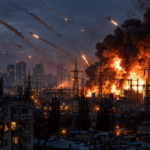
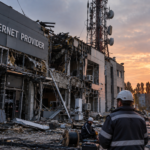
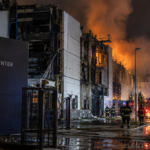
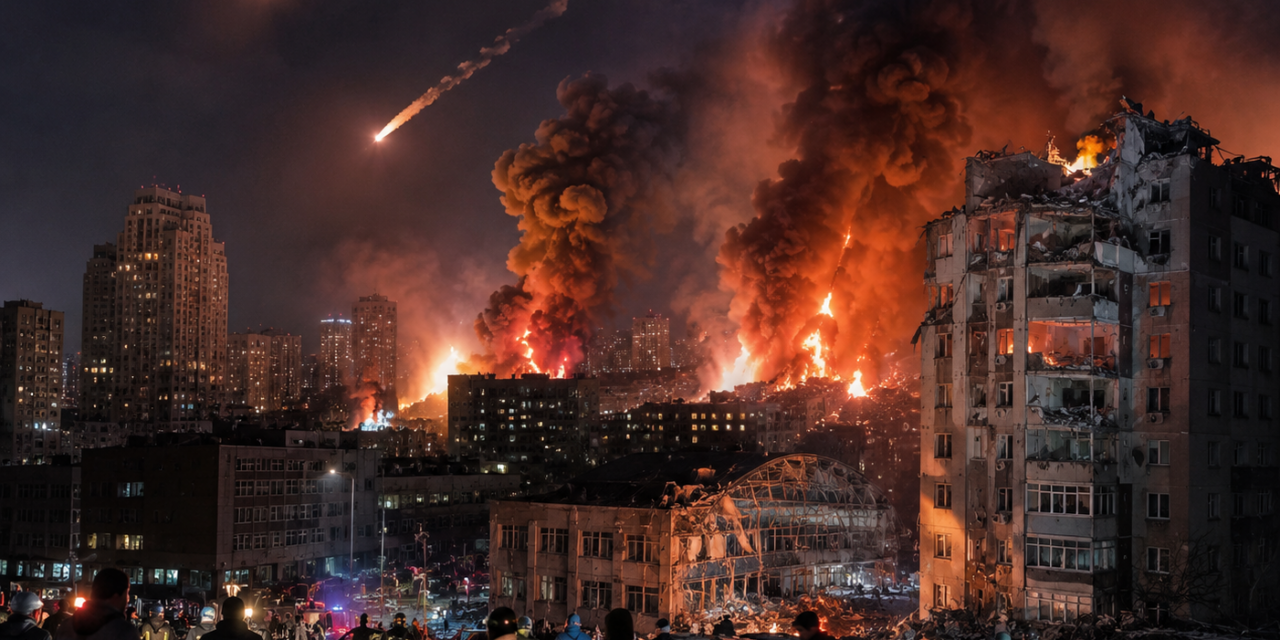
Kyiv faced a severe missile onslaught over the weekend following orders for retaliation from Russian President Vladimir Putin. This action came as a response to what Russia claims was a Ukrainian drone strike on a college dormitory in Starobilsk, causing multiple casualties. Ukrainian authorities, however, refuted these claims, accusing Russian media of spreading misleading information and emphasizing that their attacks only target military installations.
The night attacks in Kyiv resulted in at least one death and over 20 injuries, including a severe case involving a teenager. Various city locations such as residential buildings, a student dormitory, a car service center, and a shopping mall bore the brunt of the assault. The missile strikes were anticipated as the Ukrainian air force had previously warned of incoming threats. Both Ukrainian and U.S. officials had been alerted to the potential danger of a Russian missile attack, contributing to heightened tension and anxiety among Kyiv residents.
As the Ukrainian capital sought shelter from the bombardment, President Zelenskyy called for the international community to take preventive measures against Russia. In response to what Russia labeled as a “terrorist” act, Putin ordered a military strategy for decisive retaliation. Meanwhile, Ukrainian military authorities continued their focus on Russian targets, claiming significant impacts on Russian facilities including a drone pilot training base and a defense system in the Kherson region.
With relations deteriorating further, both countries have ramped up their military offensives, underscoring how precarious the situation has become. Global observers remain vigilant, assessing potential consequences and pondering on diplomatic resolutions to avert further escalation. The continued exchange of military actions raises fears of broader conflict, urging international entities to engage in conflict resolution discussions before the situation spirals out of control.
Source: CNN