
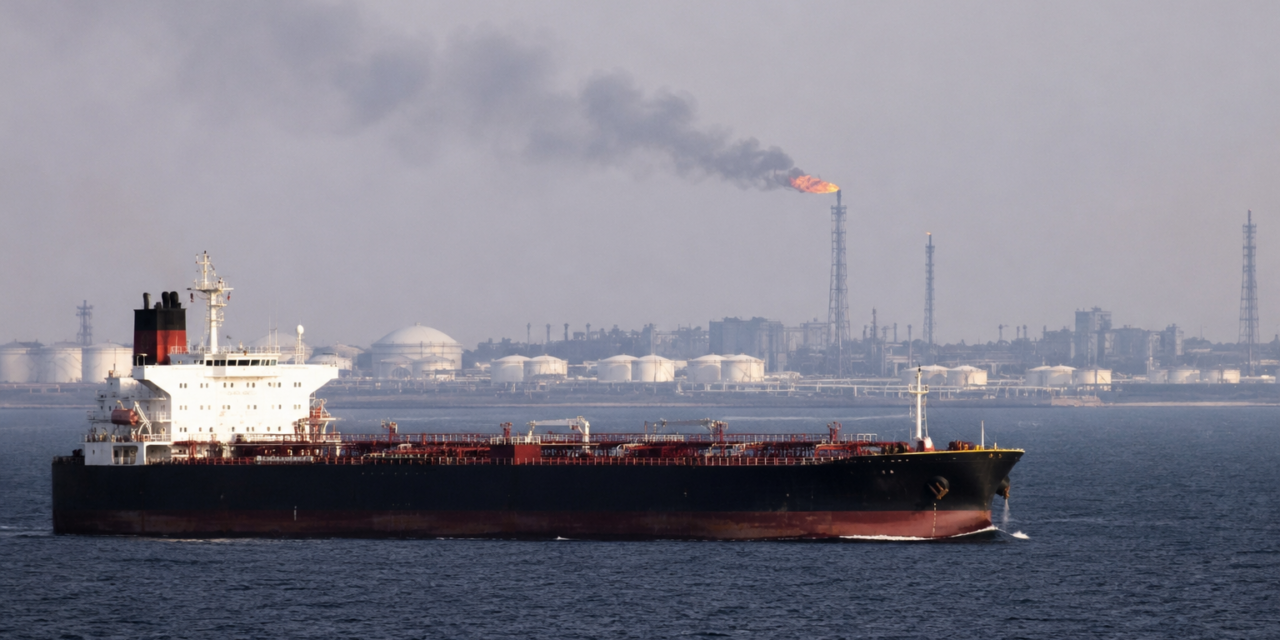
The United States has again eased sanctions on Russian oil, extending for 30 days an exemption that allows countries to buy Russian crude and petroleum products already at sea. The decision, announced on April 17–18, 2026, came despite earlier public signals from Washington that the waiver would not be renewed.
What the new license allows
The Treasury Department’s Office of Foreign Assets Control (OFAC) issued General License 134B, which permits the delivery and sale of Russian oil and petroleum products that were loaded onto vessels as of April 17. The exemption runs until May 16, 2026. Sanctions on Russian oil otherwise remain in place.
The original waiver, General License 134, was issued on March 12, 2026, and covered Russian oil already loaded onto tankers as of that date. It was introduced after US and Israeli strikes on Iran disrupted Gulf oil supplies and sent prices soaring, with Brent crude climbing above $100 a barrel after the war began.
Why Washington changed course
The Trump administration has presented the exemptions as a temporary measure to stabilize global crude markets and help countries hit by shortages, as instability around the Strait of Hormuz continues to choke Gulf exports. Allowing Russian cargoes that were stranded at sea to reach buyers adds supply to a tight market.
A setback for pressure on Moscow
For Kyiv, the renewal is unwelcome. Ukraine has argued that every exemption on Russian oil sales feeds money into the Kremlin’s war budget, which pays for the drones and missiles striking Ukrainian cities. The extension also comes as Ukraine presses its partners to tighten, not loosen, measures against Russia’s oil trade and its shadow fleet of tankers.
The waiver underlines how the war with Iran has reshaped US priorities, with concern over energy prices now competing directly with efforts to squeeze Russia’s oil revenues.
Sources
Image note: The featured image was generated by AI based on the content of this article. It is an illustration, not an actual photograph of the people, places or events described.