
Russian forces used a five-day humanitarian ceasefire in the occupied town of Oleshky in the Kherson region to reoccupy military positions that Ukrainian troops had spent nearly a year dismantling, regional authorities said on November 11, 2026.
The ceasefire
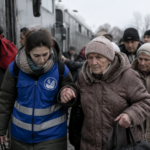
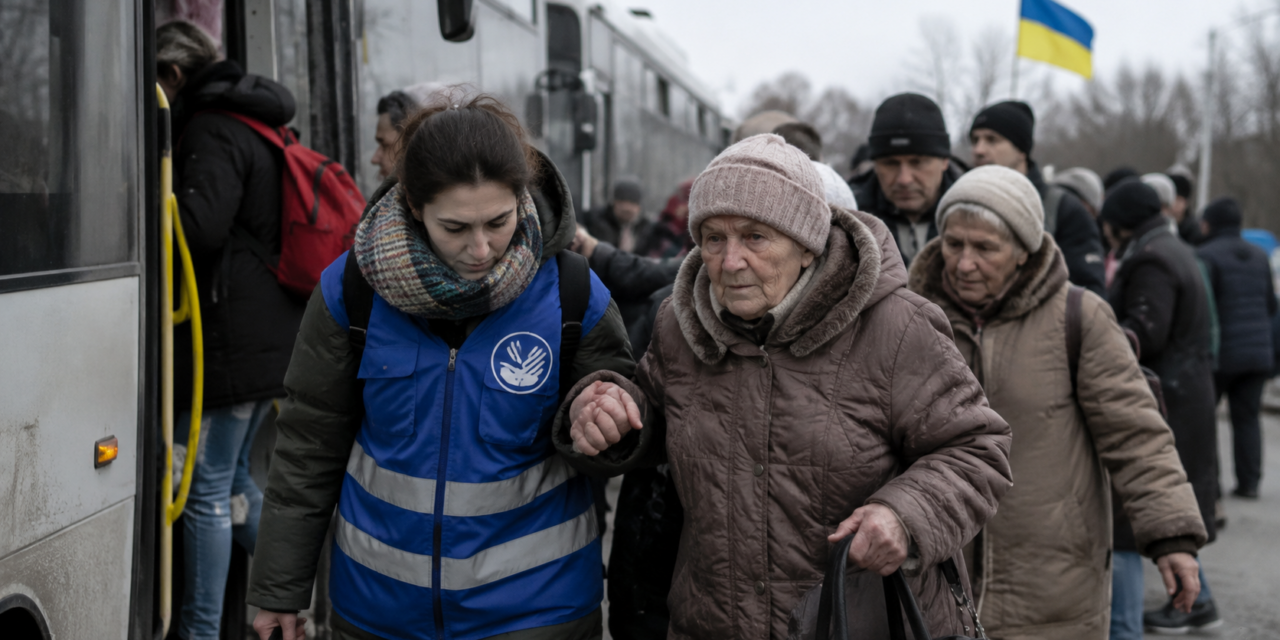
The localised truce ran from October 27 to November 1 to allow civilians to leave Oleshky, which Russian forces had blockaded, leaving residents short of food, water, electricity and medicine. Russian Chief of the General Staff Valery Gerasimov had announced the pause on October 23.
A convoy of 25 buses took residents through occupied Crimea to Anapa, from where they flew to Belarus and crossed into Ukraine. Ombudsman Dmytro Lubinets, who led the Ukrainian delegation, called it an “unprecedented development since the beginning of Russia’s full-scale invasion.”
Regrouping under cover of the truce
Ukraine’s General Staff said Russia rotated personnel, reinforced defensive positions, restored artillery positions and improved ammunition deliveries during the pause. Marine brigade commander Dmytro Pulinets warned that the operation “is going to create a great deal of work for us once the ceasefire ends.”
Zelenskyy’s view
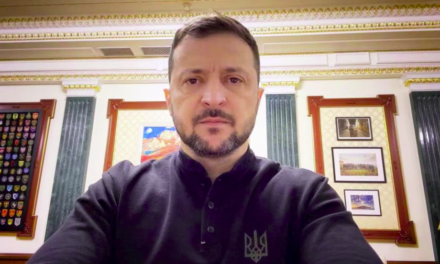
“As we saw, the decision to establish a ceasefire in Oleshky was made very quickly. And it worked,” President Volodymyr Zelenskyy said, arguing that it shows Russia can halt fighting when it chooses. The Kremlin has ruled out similar operations for the foreseeable future.
Sources
Image note: The featured image was generated by AI based on the content of this article. It is an illustration, not an actual photograph of the people, places or events described.