
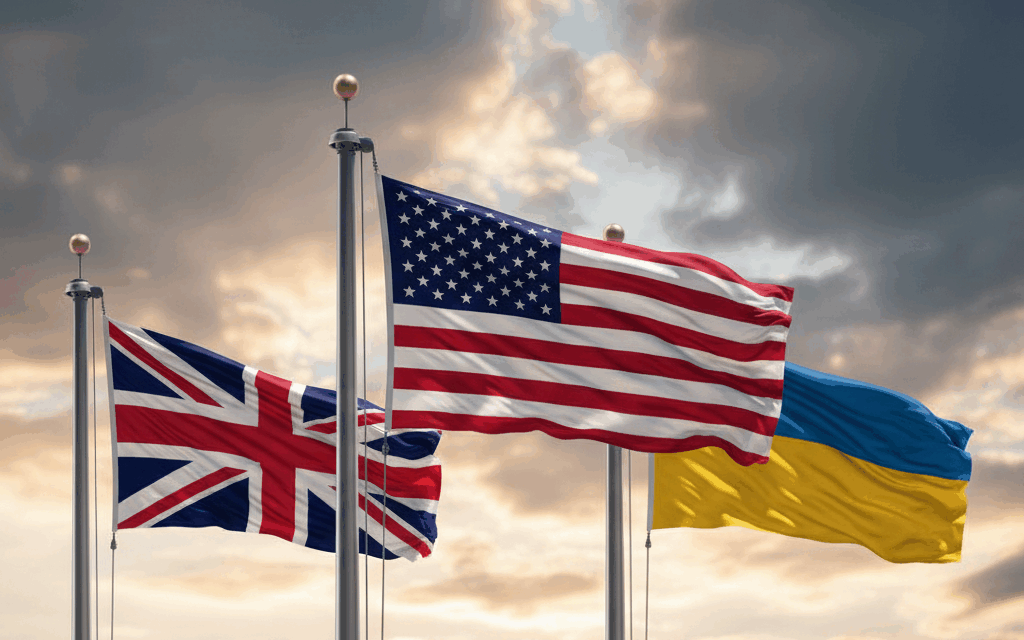
As the United Kingdom prepares an exceptional display of royal ceremony for Donald Trump’s state visit, British leaders are quietly hoping the grandeur will serve a deeper purpose. While the official agenda highlights tradition, pageantry, and the symbolic strength of U.S.–U.K. relations, the underlying objective is far more delicate: persuading the American president to adopt a firmer stance toward Russia and demonstrate renewed support for Ukraine. King Charles, whose interactions with global leaders often take place in private but carry significant soft-power weight, has become an unexpected but crucial figure in this effort.
Trump’s respect for the monarchy sets the stage for this discreet diplomatic push. Despite his tendency to challenge protocol, he openly admires the royal family and has spoken warmly of the king, describing him as a refined statesman. British officials are counting on this sentiment to create a moment of influence. In contrast, Trump’s relationship with Ukrainian President Volodymyr Zelenskyy has been strained and at times openly dismissive, making direct diplomatic pressure more complicated. The king’s quiet advocacy for Ukraine, including multiple personal meetings with Zelenskyy after the tense Oval Office encounter earlier this year, offers a subtle counterweight to Trump’s skepticism.
King Charles has already signaled his views through meaningful gestures—private meals with Zelenskyy, messages of solidarity marking Ukraine’s independence day, and symbolic references during state speeches. These actions, though understated, reinforce Britain’s unwavering support for Kyiv and its framing of Russia as the clear aggressor. During the state visit, Charles will have ample private moments with Trump, including an overnight stay at Windsor Castle, a banquet, and processions steeped in history that underscore the long-standing military partnership between the two nations.
Whether these efforts will shift Trump’s position remains uncertain. While some past royal engagements have positively influenced his diplomatic posture, his recent demands regarding NATO allies, Russian oil, and tariffs against China suggest he remains resistant to deeper involvement in confronting Moscow. Yet British officials believe that as long as the king can keep Trump engaged in conversation about Ukraine, there remains a sliver of opportunity for persuasion—one best supported by the timeless power of royal ceremony.
Lesen Sie mehr unter POLITICO.


 German
  English
  Ukrainian
  French
  Spanish
  Chinese