Canada marks Ukraine’s Independence Day by unveiling a major military and humanitarian aid boost, reinforcing air defense, drone capabilities, and joint production while reaffirming its role as one of Ukraine’s strongest G7 partners.
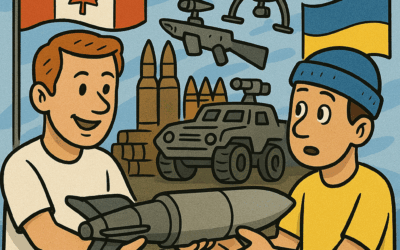

Canada marks Ukraine’s Independence Day by unveiling a major military and humanitarian aid boost, reinforcing air defense, drone capabilities, and joint production while reaffirming its role as one of Ukraine’s strongest G7 partners.
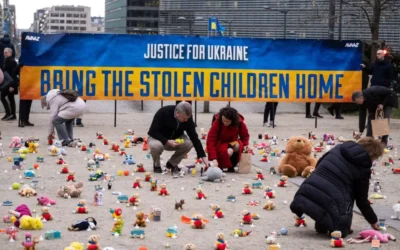
The UN’s annual Children and Armed Conflict report records a 105% jump in grave violations against Ukrainian children, attributing killings, injuries, and hundreds of attacks on schools and hospitals to Russian forces, and adds Russia to the report’s blacklist.
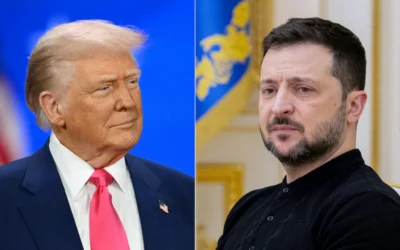
At the NATO Summit in The Hague on June 25, 2025, Volodymyr Zelenskyy met U.S. President Donald Trump to discuss a just, lasting peace, urgent air-defense needs, and joint weapons production, while noting Russia’s refusal to take ceasefire steps and rising civilian strikes.
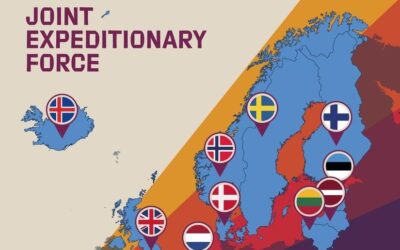
Lawmakers from JEF nations argue that, with NATO’s path for Kyiv stalled, bringing Ukraine into the UK-led Joint Expeditionary Force would bolster rapid-response defense, tap Ukraine’s battlefield innovation, and send a clear signal of sustained European commitment.
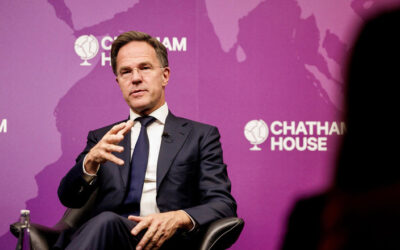
Rutte’s Chatham House keynote urges a “NATO-first” shift: spend more, produce more and integrate faster so the Alliance is stronger, fairer and more lethal. Priorities include industrial ramp-up, air-missile defence, realistic training, and sustained support for Ukraine.
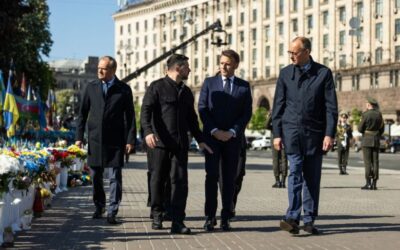
Kyiv and allied leaders called for a full, unconditional ceasefire to start May 12 and last at least 30 days, coordinated with the U.S. They warned of new energy and banking sanctions if Russia refuses, while pledging to keep strengthening Ukraine’s defenses.
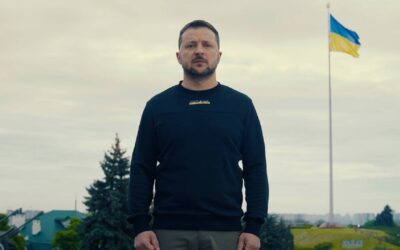
On May 8, President Zelenskyy marked the Day of Remembrance and Victory over Nazism by linking WWII’s ‘never again’ to Ukraine’s present fight. He honored fallen and serving defenders, condemned Russia’s May 9 spectacle, and urged united pressure until a just peace.
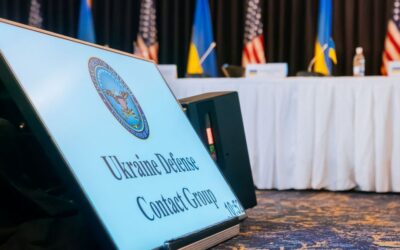
At a Brussels meeting of the 51-nation Ukraine Defence Contact Group, allies pledged €21bn in new military support, led by Germany’s €11bn through 2029 and the UK’s £4.5bn for 2025, with air defence flagged as the most urgent gap amid heavy glide-bomb and drone attacks.
At a March 20, 2025 Brussels summit, EU leaders reaffirmed unwavering support for Ukraine’s territorial integrity—but Hungary’s Viktor Orbán declined to join. The move underscores broad European unity while spotlighting a lone dissent that could complicate future decisions.
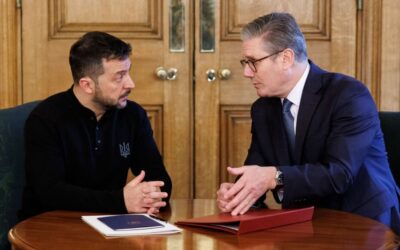
As US and Ukrainian officials prepare to meet in Saudi Arabia this week, President Trump has privately made clear to aides that a signed minerals deal between Washington and Kyiv won’t be enough to restart aid and intelligence sharing, according to an administration official.

Former Polish President Lech Wałęsa and 39 ex-political prisoners condemned Donald Trump’s treatment of Ukraine’s President Zelensky, calling his remarks offensive and reminiscent of communist-era interrogations, and praising Ukraine’s soldiers for defending freedom.

The London Summit brought together the leaders of Ukraine, the UK, Denmark, Italy, Spain, Canada, the Netherlands, Germany, Norway, Poland, Romania, Finland, France, the Czech Republic, and Sweden, Turkish Foreign Minister Hakan Fidan, and NATO Secretary General Mark Rutte.
 Spanish
  English
  Ukrainian
  French
  German
  Chinese