
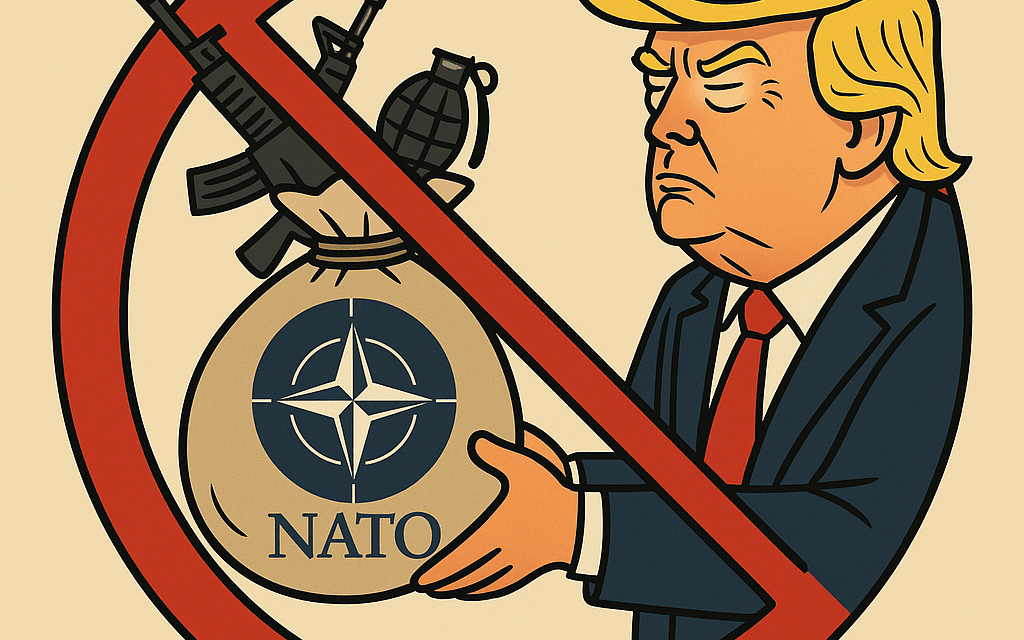
NATO border security cuts shape new European risks
NATO border security cuts are emerging as a major point of concern in Europe as the United States moves to phase out specific security assistance programs for countries bordering Russia. According to multiple sources, the decision reflects President Donald Trump’s renewed “America First” doctrine, which prioritizes domestic spending and places greater responsibility for defense on U.S. allies. For nations living under the shadow of Moscow’s aggression—particularly Estonia, Latvia, and Lithuania—the shift signals a potentially destabilizing moment for Eastern Europe.
A Strategic Withdrawal at a Sensitive Time
The assistance program, funded by the U.S. Department of Defense and designed to strengthen military readiness for frontline European states, is set to expire in September 2026. While Congress approved the current funding cycle, the Trump administration has opted not to request an extension, effectively ending the initiative unless lawmakers take independent action.
Source: Reuters report — https://www.reuters.com/world/us-cut-some-security-funds-countries-bordering-russia-sources-say-2025-09-04/
Europe Responds with Concern
Russia’s ongoing war against Ukraine has created heightened instability across the region, prompting calls for increased coordination between the U.S. and its European partners. As the Baltics face recurring hybrid threats, cyberattacks, and aggressive Russian military posturing, reduced U.S. support risks widening strategic gaps. European officials have warned that the cuts could erode deterrence, weaken joint training programs, and slow modernization efforts vital for NATO’s eastern flank.
Source: Financial Times coverage — https://www.ft.com/
Political Reactions and Rising Tensions
The White House defends the decision as part of a broader realignment of foreign aid. A spokesperson cited Trump’s executive order directing a comprehensive review of U.S. assistance programs and emphasizing European self-reliance. However, critics argue the move undermines both allied capability and U.S. strategic credibility. Senator Jeanne Shaheen called the cuts “misguided,” noting that U.S. forces often train and operate alongside the same soldiers whose funding is now in question.
The Road Ahead for NATO’s Eastern Flank
With Russia continuing offensive operations in Ukraine, any reduction in U.S. support sends powerful geopolitical signals. The Baltics must now accelerate their own defense investments, and NATO will likely revisit burden-sharing debates. The ultimate impact will depend on how Europe fills the gap—and whether Congress chooses to revive the program independently.







 Ukrainian
  English
  French
  German
  Spanish
  Chinese