
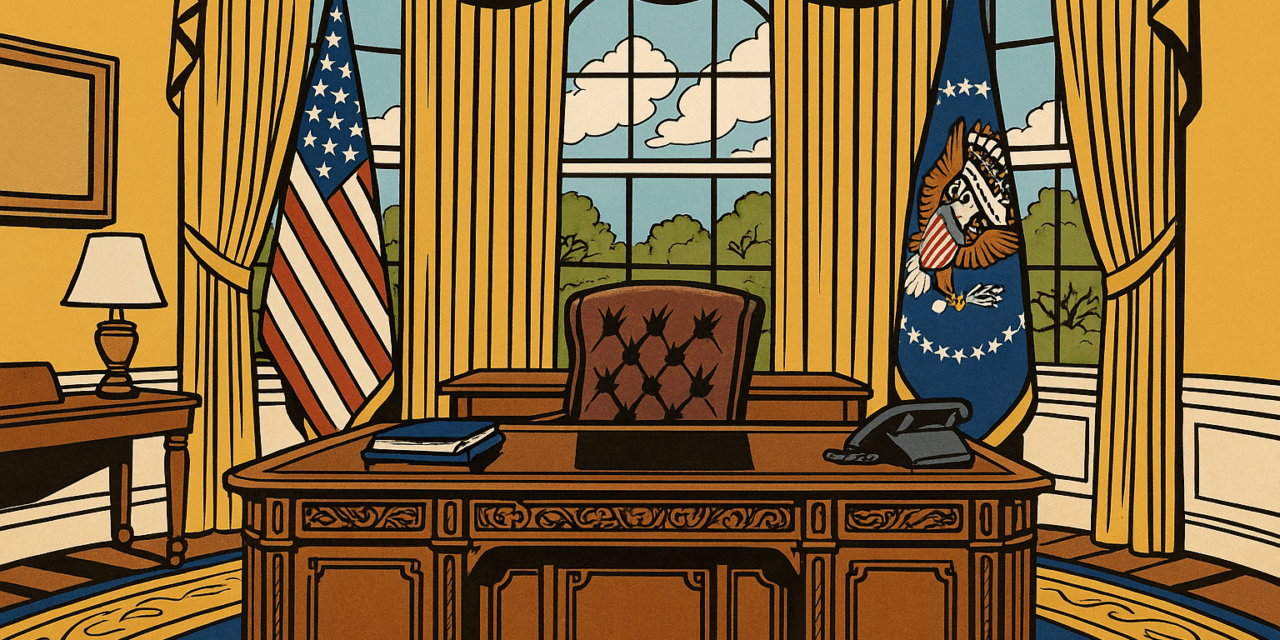
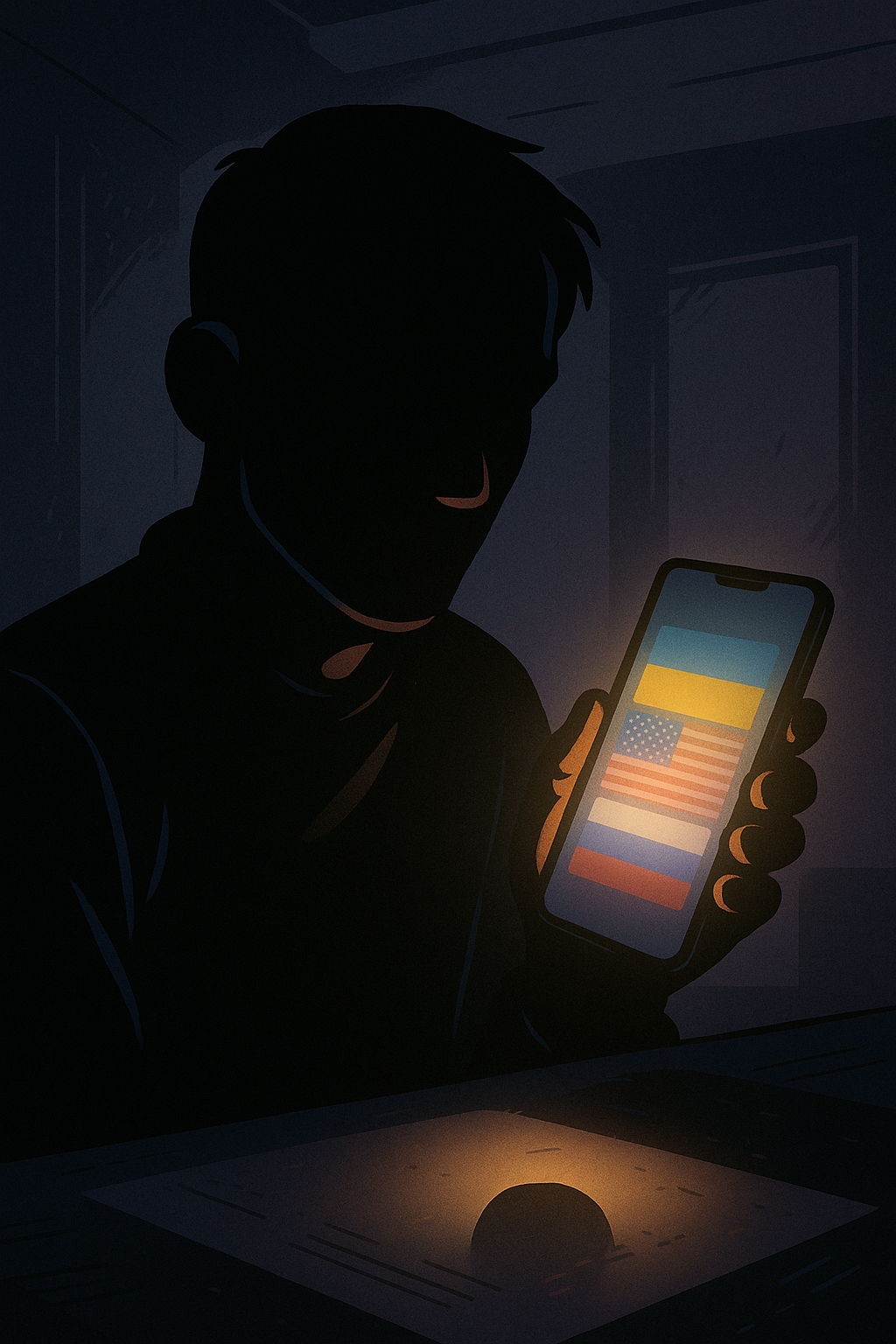
The debate over a Ukraine peace deal pressure intensified after U.S. President Donald Trump urged Kyiv to consider territorial concessions to Russia, sparking alarm across Europe and firm resistance from Ukrainian President Volodymyr Zelenskiy.
Trump Pushes Kyiv Toward a Controversial Peace Deal
A new wave of Ukraine peace deal pressure emerged after U.S. President Donald Trump told President Volodymyr Zelenskiy that Ukraine “has to make a deal” with Russia to end the war. Trump’s comments came after a summit in Alaska with Russian President Vladimir Putin, during which the Kremlin leader reportedly demanded full control over the entire Donetsk region.
Source: Reuters (https://www.reuters.com)
According to officials familiar with the meeting, Putin said he would freeze most front lines if Kyiv surrendered all of Donetsk—territory that Ukraine views as essential for its security. Zelenskiy refused, calling the demand unacceptable and stressing that stopping Russia’s attacks is the only fair starting point for negotiations.
Shift in U.S. Position Raises Concerns
Trump said he now supports heading straight to a final peace agreement rather than insisting on a ceasefire first, reversing his earlier position. He argued that ceasefires often collapse and that only a full agreement can end the bloodshed. European allies reacted cautiously, welcoming diplomacy but warning they will maintain pressure on Russia.
European leaders stressed that Ukraine must receive “ironclad” security guarantees and retain the right to join NATO—directly rejecting Moscow’s long-standing red lines.
Kyiv Holds Firm: No Territory for Peace
Zelenskiy repeated that Ukraine cannot legally cede territory without constitutional changes, nor can it allow Russia to claim victory over cities that block further advances. He noted “positive signals” from Trump regarding long-term security support but warned that Ukraine needs a lasting peace—not another pause before a new invasion.
Moscow Celebrates Optics; Europe Watches Carefully
Putin welcomed the summit, gaining legitimacy after years of isolation. Analysts across Europe argued that Putin walked away with symbolic wins, while Trump appeared eager to reach a fast deal. Yet Ukraine, Europe, and Canada repeated that any agreement must protect Ukrainian sovereignty.
The situation now heads toward a high-stakes meeting in Washington, where Zelenskiy and Trump—joined possibly by European leaders—will discuss the next steps.




 Chinese
  English
  Ukrainian
  French
  German
  Spanish