
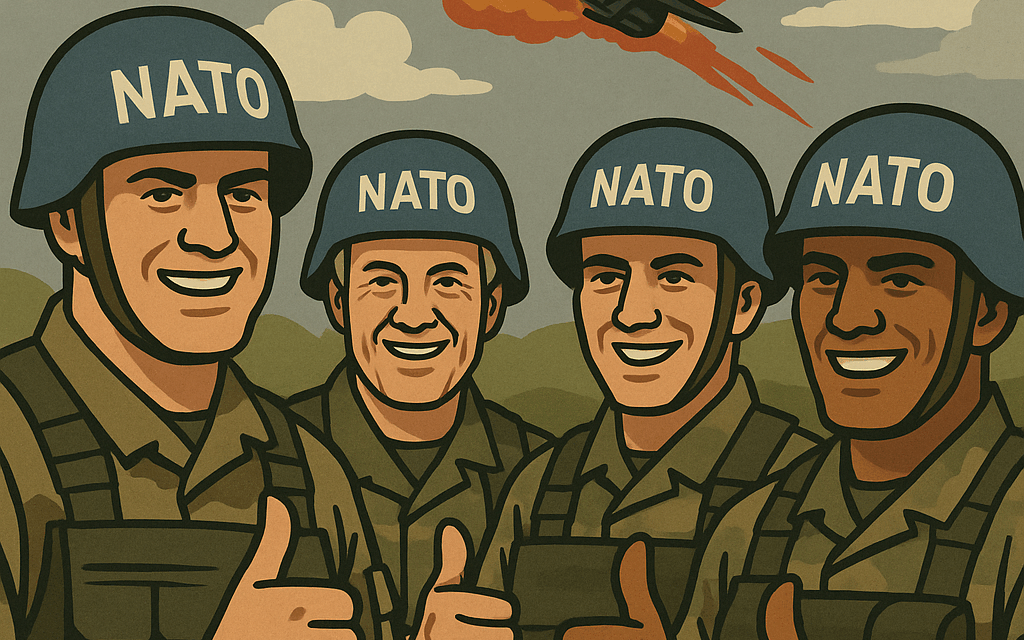
The NATO airspace defense option is becoming a central topic in European security discussions as Russian aircraft continue crossing into Alliance airspace. Ursula von der Leyen’s recent statement that shooting down an intruding Russian fighter jet is “on the table” has intensified debate around deterrence, political resolve, and the risks of escalation. Although she cannot command military action, her influence as European Commission president carries significant weight, especially during a period of growing Russian pressure against NATO members.
Her comments came after a series of Russian airspace violations in Poland, Romania, and Estonia, all of which have heightened Europe’s alert level. Speaking to CNN, von der Leyen stressed that every centimeter of NATO territory must be defended, signaling that warnings and diplomatic messaging are no longer enough to deter repeated Russian testing. She framed the recent pattern of violations as part of a much broader hybrid campaign—one that also includes espionage, cyberattacks and election interference, all designed to probe European reactions and expose weaknesses.
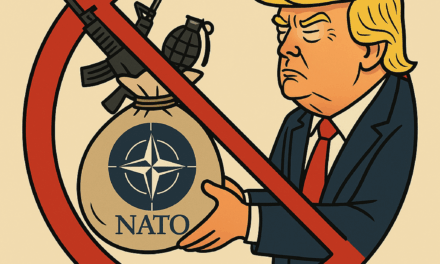
The discussion gained momentum after U.S. President Donald Trump stated that NATO countries should shoot down Russian jets that breach their airspace. Poland’s Foreign Minister Radosław Sikorski quickly responded with “Roger that,” later expanding on the principle that protecting national airspace is both a duty and a necessity. However, Sikorski also argued for stronger pre-emptive defense, such as intercepting drones and cruise missiles over Ukrainian territory before they reach NATO borders.
European leaders increasingly view Russian provocations as coordinated pressure rather than isolated incidents. Von der Leyen emphasized that Russia is “testing on all fields,” and that Europe must respond across all domains—military, cyber, diplomatic, and informational. While the ultimate decision remains with NATO, her message was clear: the Alliance cannot allow violations of its territory to go unanswered. The conversation now centers on how far NATO should go, and how to balance deterrence with the risk of escalation as Russia intensifies its hybrid warfare strategy across Europe.




 Chinese
  English
  Ukrainian
  French
  German
  Spanish