
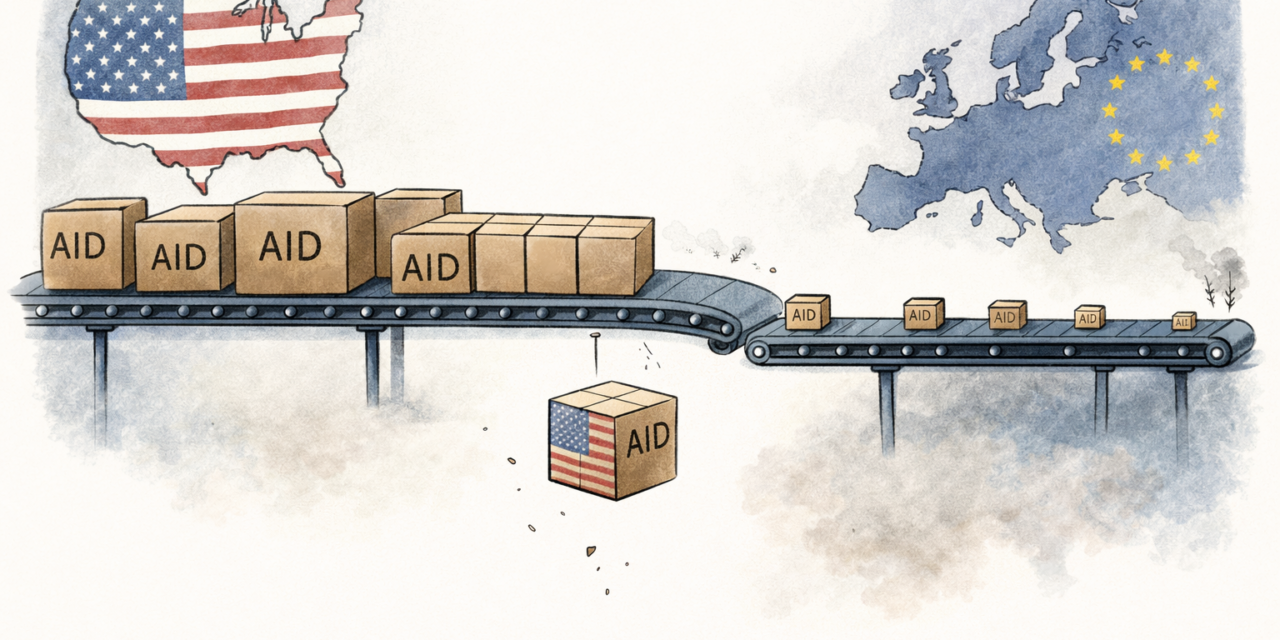
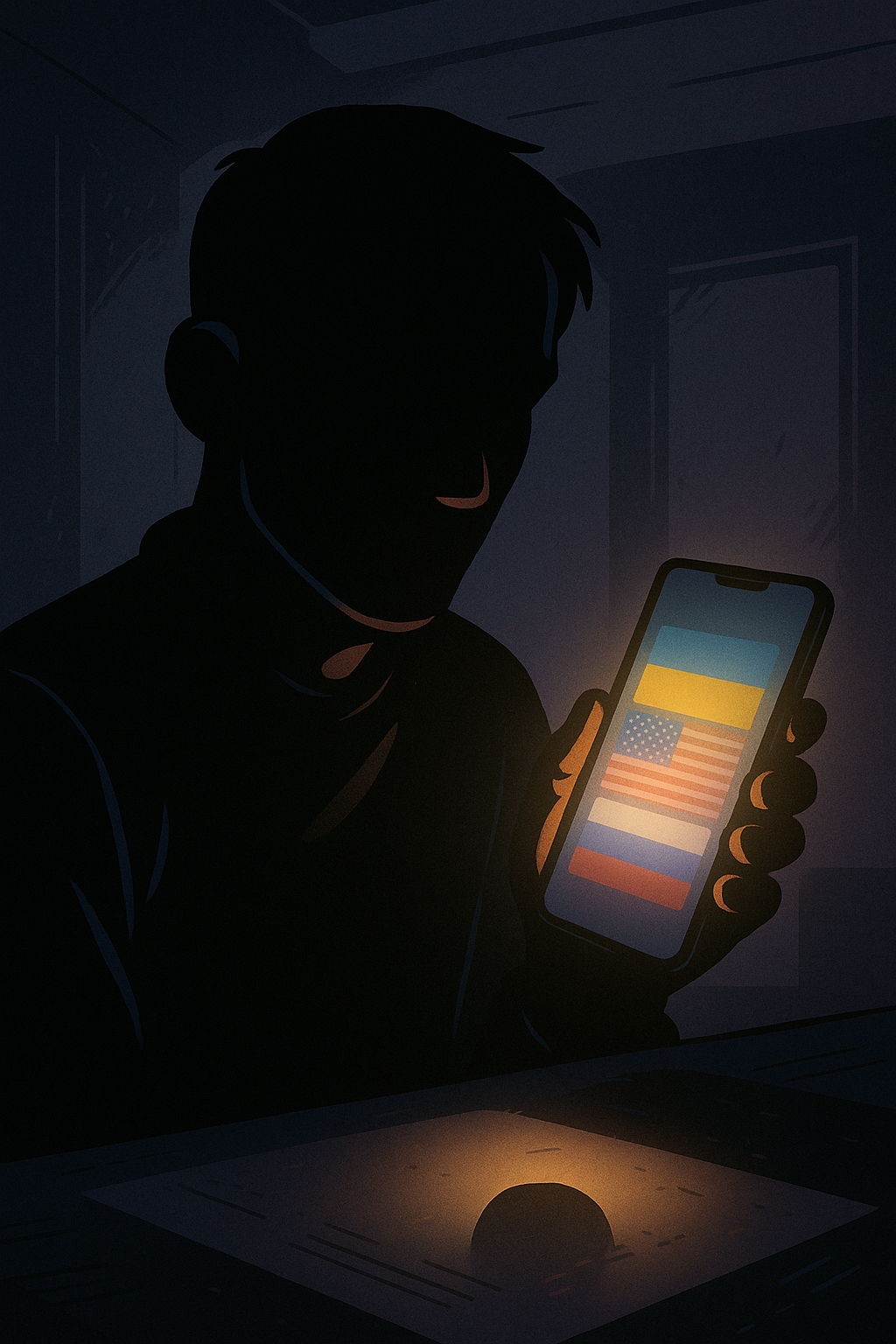
The Ukraine support tracker Europe update through October 2025 signals a sharp slowdown in new military aid allocations, raising the risk that 2025 ends as the weakest year for fresh commitments since Russia launched the full-scale invasion in 2022.
Aid Momentum Breaks After a Strong Start to 2025
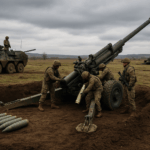
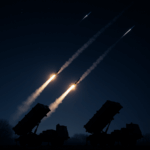
According to the latest Ukraine Support Tracker update, Europe allocated about EUR 4.2 billion in new military aid in September and October 2025, which does not come close to compensating for the halt in US support. The report describes a clear pattern: after record allocations in the first half of 2025, new military commitments fell sharply over the summer and stayed weak into early autumn. At the current pace, Europe’s monthly decisions would need to more than double in the remaining months of the year to reach the average annual allocation level seen in 2022–2024.
The gap is sizable. The tracker’s figures indicate that donors averaged roughly EUR 41.6 billion per year in overall allocations during 2022–2024, while 2025 had reached only about EUR 32.5 billion by the end of October. Closing the difference would require an additional EUR 9.1 billion by year-end, a scale of late-year ramp-up that recent allocation trends do not support.
Europe’s Big Economies Increase, but the Burden Stays Uneven
The update highlights widening disparities among European donors. France, Germany, and the United Kingdom increased military allocations substantially compared with their 2022–2024 averages. Germany nearly tripled its typical monthly pace, while France and the UK more than doubled theirs. Even with these increases, the tracker still places them well below the Nordic countries when measured against 2021 GDP. Denmark, Finland, Norway, and Sweden continue to set the benchmark for high relative effort, implying that Europe’s largest economies would need a further step-change to match Nordic intensity.
The contrast looks even sharper for Italy and Spain. The tracker reports no meaningful acceleration from either country in 2025, with Italy cutting already-low levels and Spain recording no new military aid allocations in 2025. That shortfall drags down Europe’s combined performance and reinforces the political challenge of achieving more balanced burden-sharing.
What the Tracker Measures, and What It Leaves Out
The Ukraine Support Tracker compiles government-to-government pledges across military, financial, and humanitarian categories from January 24, 2022 onward. It covers 41 countries, including EU member states, the G7, and a range of additional donors, while listing EU Commission and European Investment Bank support separately. It excludes private donations and multilateral lending from institutions such as the IMF in its main database, and it does not count aid directed to Ukraine’s neighbors or refugee-hosting costs in donor countries. For in-kind aid, the project estimates values using market prices and comparable relief-operation benchmarks, and it continues to update and correct entries over time.
Conclusion
If Europe maintains the slower allocation pace observed through October 2025, the year is set to close with the lowest level of new aid commitments since 2022. The tracker’s central message is straightforward: Europe has increased support in important places, but it has not yet mobilized at a scale or balance that reliably replaces the missing US contribution.
Sources
https://www.kielinstitut.de/publications/news/ukraine-support-tracker-europe-fails-to-offset-us-aid-drop/
https://www.kielinstitut.de/topics/war-against-ukraine/ukraine-support-tracker/
https://www.kielinstitut.de/publications/ukraine-support-tracker-data-6453/
https://www.ifw-kiel.de/fileadmin/Dateiverwaltung/IfW-Publications/-ifw/Kiel_Working_Paper/2022/KWP_2218_Which_countries_help_Ukraine_and_how_/KWP_2218.pdf



 Chinese
  English
  Ukrainian
  French
  German
  Spanish