
The oil price cap imposed by the G7 is squeezing Russia’s export income and could push its budget deficit next year above the planned 2% of GDP, Russian Finance Minister Anton Siluanov said on December 27, 2022.
“It is possible”
“Is a bigger budget deficit possible? It is possible, if revenues are lower than planned,” Siluanov told journalists, naming “price risks and restrictions” as the main risks for 2023. His comments were the clearest acknowledgement yet from Moscow that the cap could hurt state finances.
Siluanov said spending commitments would be met regardless, using borrowing and the National Wealth Fund if needed.
The cap
The $60-per-barrel cap on Russian seaborne crude, agreed by the G7, the EU and Australia, took effect on December 5, the same day the EU’s ban on most Russian crude imports began. Deputy Prime Minister Alexander Novak said the measures could force Russia to cut oil output by 5% to 7% early next year. President Vladimir Putin had dismissed the cap as “stupid.”
Signs of strain
The rouble fell almost 10% against the dollar in the previous week, the worst performance among emerging market currencies, CNBC reported. “Initial signs suggest that Russia’s economy is starting to feel the pinch,” said Nicholas Farr of Capital Economics, who expects another contraction in 2023.
Sources
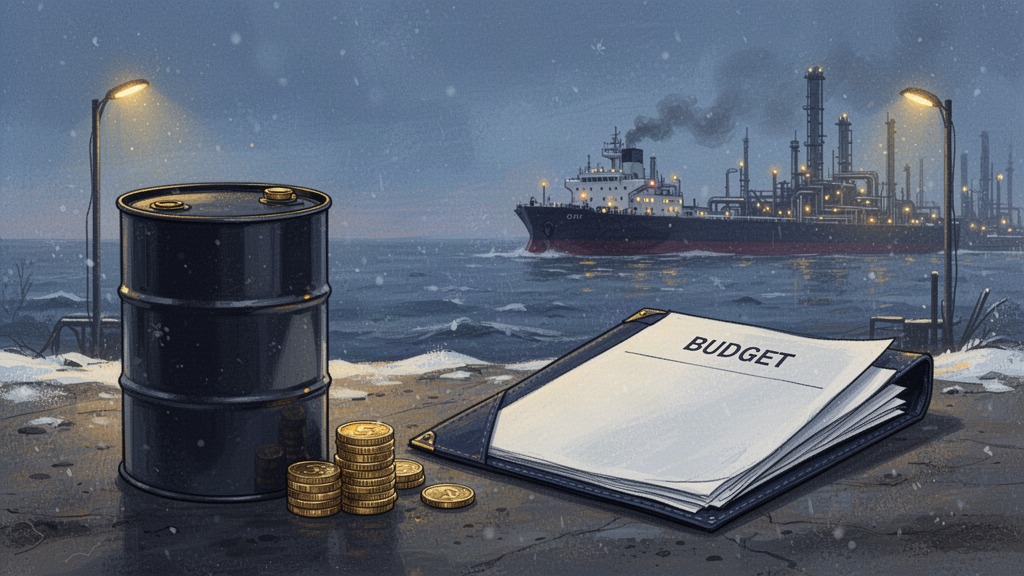
Image note: The featured image was generated by AI based on the content of this article. It is an illustration, not an actual photograph of the people, places or events described.