
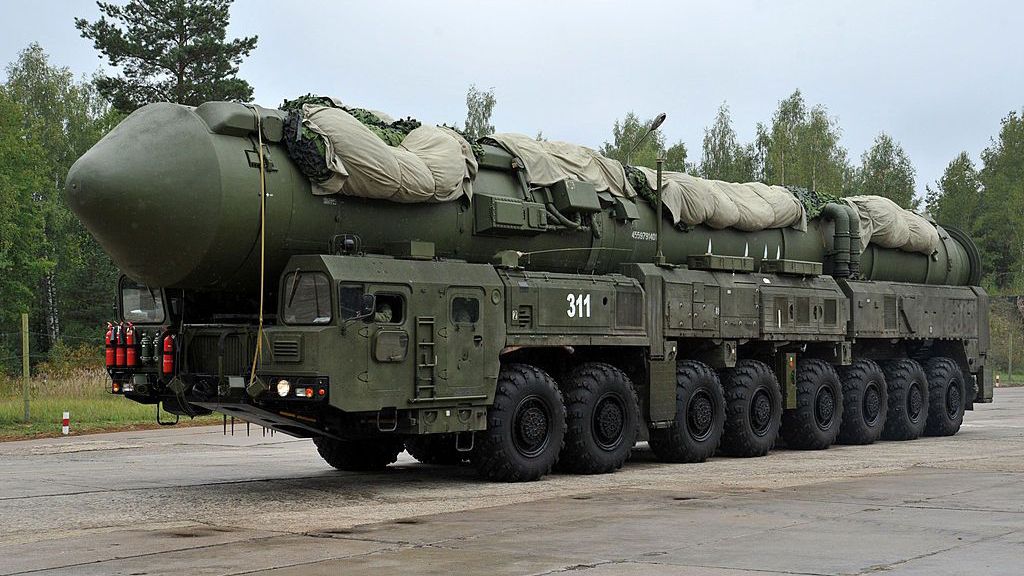
Russia recently launched an attack on Ukraine using the Oreshnik missile system, a weapon known for its intercontinental nuclear strike capabilities. This launch, targeting the western Lviv region, was carried out without a warhead, suggesting it was intended more as a psychological demonstration than a physical attack.
The Russian Ministry of Defense stated that the strike was in retaliation for an alleged Ukrainian attack on President Vladimir Putin’s residence in Valdai, a claim Ukraine has denied. Ukrainian officials argue that this accusation is part of a disinformation campaign designed to undermine peace negotiations.
Reports from Ukrainian and Western monitoring groups first emerged late Wednesday, indicating the possible use of the Oreshnik system. This is not the first instance of such a launch; in 2024, Russia fired an Oreshnik missile towards Dnipro, also without a warhead, as a strategic signal rather than a direct military operation. Analysts suggest that Ukrainian territory is being used as a testing ground for showcasing Russian military capabilities.
The apparent target of the latest launch was the Lviv region, specifically the Stryi gas storage facility, Europe’s largest underground gas storage site. This facility is crucial for Ukraine’s energy security during winter and serves as a logistical hub for European gas distribution, highlighting its importance not just for Ukraine but for Europe as well.
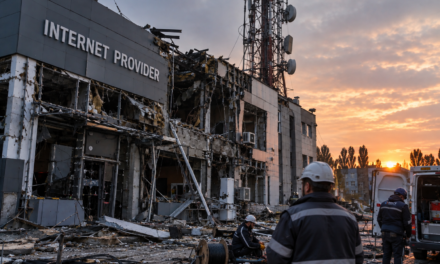
Russia’s strategy of targeting energy and civilian infrastructure is a familiar tactic. On the same night as the Lviv strike, attacks on Kyiv damaged energy facilities, resulting in power outages across parts of the capital. Although Ukraine has not officially confirmed the use of the Oreshnik missile, the Air Force Command reported a ballistic missile strike on January 8 at 11:47 p.m., with the object traveling at speeds consistent with the Oreshnik system.
Preliminary reports suggest the Stryi gas storage facility was not hit, leaving the exact target of the attack uncertain. However, another infrastructure site in the Lviv region sustained damage. The Oreshnik missile reportedly carried no explosive warhead, only an inert mass, creating a crater through kinetic impact rather than an explosion.
Ukrainian officials and analysts view these strikes as acts of terror and psychological warfare, targeting critical civilian infrastructure protected under the Geneva Conventions. In 2024, a similar launch targeted an open field near the Pivdenmash industrial complex in Dnipro, again without a warhead, to demonstrate capability.
This latest launch coincided with the United States delivering a peace plan to the Kremlin, coordinated with Ukraine, and followed President Volodymyr Zelenskyy’s meetings with European leaders to advance peace efforts.
Read more at united24media.com