
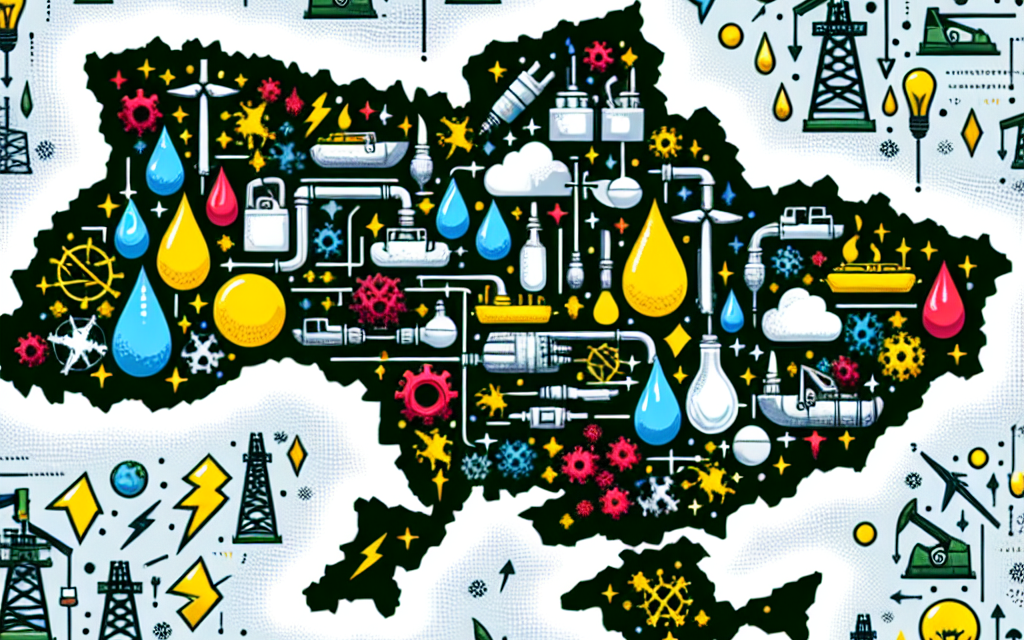
In 2025, Ukraine grappled with a significant energy trade imbalance, importing $10.5 billion worth of energy products while exporting merely $0.5 billion. The country’s import expenditures superseded export revenues, resulting in a negative foreign trade balance exceeding $10 billion. This disparity underscores Ukraine’s reliance on energy imports to fulfill its needs amid the ongoing war-driven destruction of its energy infrastructure.
The bulk of Ukraine’s imports in 2025 were oil and petroleum products, constituting 62.8% of import spending. Petroleum gases accounted for another 18.3%, considerably escalating due to almost tripled spending compared to 2024. Meanwhile, coal imports increased by more than twofold, indicating shifts possibly driven by reduced domestic coal production. Although electricity imports decreased, the overall import structure reveals stark contrasts from previous years, especially from pre-war 2021 percentages. Key export partners included Poland, Greece, and Lithuania, among others, contributing to the diverse origins of Ukraine’s energy purchases.
On the export side, Ukraine’s major revenue stemmed from electricity, accounting for over half of the total energy exports despite falling significantly short of imports. Export earnings for crude and non-crude petroleum also played pivotal roles, albeit minor compared to electricity. The continued conflict severely depressed Ukraine’s capacity for generating and exporting energy, with exports ceasing abruptly in November due to intensified attacks. Evidently, the uneven trade balance reflects not only the nation’s dependence on external energy resources but also highlights the adverse consequences of war on its energy self-sufficiency.
The energy trade figures underscore Ukraine’s ongoing challenges, particularly the adverse wartime impact on its ability to maintain sustainable energy trade. With limited improvement in exports and increased vulnerability due to rising import needs, Ukraine faces the critical task of addressing its energy deficit while attending to the long-term goal of strengthening its energy infrastructure to aid in recovery and minimize future dependencies.
Source: Dixi Group






 English
  Ukrainian
  French
  German
  Spanish
  Chinese