
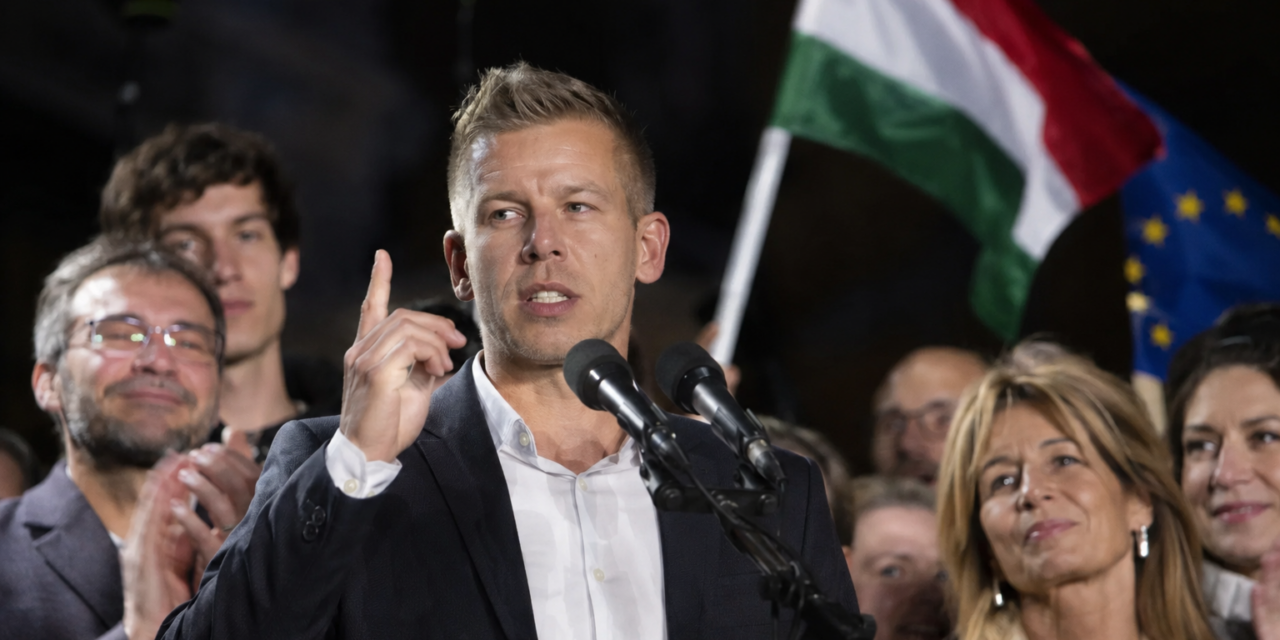
Hungarian voters have ended Viktor Orbán’s 16 years in power, removing the European Union leader who did more than any other to block support for Ukraine. Orbán conceded defeat on April 12, 2026, to Péter Magyar, a former ally whose pro-European Tisza party won a clear victory in an election with record turnout.
Orbán called the result “painful” and said his Fidesz party would now serve “from opposition.” Magyar celebrated with a simple message on X: “Thank you, Hungary!”
A decisive result
With 77 percent of votes counted, Tisza had more than 53 percent support against 38 percent for Fidesz. Turnout topped 77 percent, the highest in any election since the end of communism in Hungary. Magyar, 45, broke with Fidesz in 2024 and built Tisza through a nationwide campaign focused on corruption, health care and public transport. Tisza belongs to the European People’s Party, the center-right bloc that leads governments in 12 of the EU’s 27 member states.
Why it matters for Ukraine
Orbán, a close ally of both Donald Trump and Vladimir Putin, repeatedly used his veto to block EU aid to Ukraine, most recently holding up a €90 billion EU loan. He refused to end Hungary’s reliance on Russian energy and accused Ukraine and EU partners of trying to install a “pro-Ukraine” government in Budapest. Recent revelations also indicated that a senior member of his government regularly shared the contents of confidential EU discussions with Moscow.
Magyar has pledged to rebuild Hungary’s relations with the EU and NATO, although Brussels is still waiting to see exactly how his government will approach Ukraine.
Europe and Kyiv welcome the result
“Hungary has chosen Europe,” said European Commission President Ursula von der Leyen. UK Prime Minister Keir Starmer called it “an historic moment, not only for Hungary, but for European democracy,” and German Chancellor Friedrich Merz said right-wing populism had suffered a “heavy defeat.”
Ukrainian President Volodymyr Zelenskyy congratulated Magyar on a “resounding victory” and pledged to work together for “peace, security, and stability in Europe.” Prime Minister Yuliia Svyrydenko said Hungarians had given a clear “no” to pulling their country back into Moscow’s orbit.
The campaign was tense. US Vice President J.D. Vance visited Hungary the week before the vote to support Orbán, and media reports said Russian intelligence services had plotted to interfere in his favor.
Sources
Image note: The featured image was generated by AI based on the content of this article. It is an illustration, not an actual photograph of the people, places or events described.