

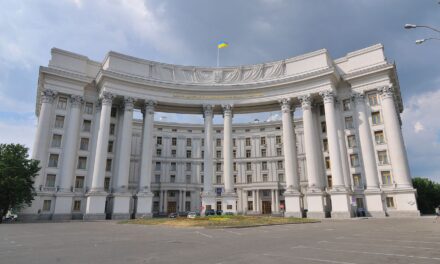
Russian President Vladimir Putin, along with senior Kremlin officials, has reiterated Russia’s unwavering commitment to its original war objectives, demanding complete Ukrainian capitulation. This comes as Ukraine, the United States, and Europe seem poised to renew negotiations aimed at ending the ongoing conflict. On June 23, Putin asserted Russia’s readiness for peace talks with Ukraine, but emphasized that negotiations must be based on the 2022 Istanbul Protocols, his June 2024 address to the Russian Ministry of Foreign Affairs, and the purported August 2025 Anchorage understandings with the United States. These frameworks essentially demand Ukraine’s capitulation.
The 2022 Istanbul Protocols, as articulated by Russia, would permanently bar Ukraine from joining NATO, severely limit its military capabilities, and prohibit Western military assistance, while imposing no restrictions on Russian forces. These protocols were negotiated under vastly different battlefield conditions in March and April 2022, when Russia was advancing on Kyiv and held significant territories in Ukraine. Putin’s 2024 speech echoed these maximalist goals, insisting on Ukraine’s withdrawal from key territories and abandonment of NATO aspirations before any ceasefire or peace negotiations could commence.
Russian Foreign Minister Sergei Lavrov echoed Putin’s stance, outlining objectives such as Ukraine’s neutrality, non-nuclear status, and respect for illegal referendums in occupied regions. Lavrov’s statements align with Kremlin narratives that frame these demands as addressing the ‘root causes’ of the war. Both Putin and Lavrov’s declarations reinforce Russia’s original 2022 war aims, signaling that any peace agreement must meet Russia’s demands concerning Ukraine, NATO, and the West.
Putin continues to employ a negotiating strategy that falsely portrays the Russian military as nearing a collapse of Ukrainian defenses. He claimed that future peace talks must consider current ‘battlefield realities,’ a term used by the Kremlin to suggest Russian gains, despite evidence indicating only incremental advances. This rhetoric aims to pressure Ukraine and its allies into capitulating to Russian demands out of fear of further offensives.
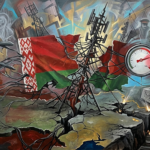
The Kremlin is also engaging in cognitive warfare, framing potential Ukrainian strikes on Belarusian targets supporting Russian operations as escalations against Belarus and the Union State. Lavrov, during a meeting with the Belarusian Ambassador, accused Ukraine of attempting to draw Belarus into the conflict, despite Belarusian denials of military involvement. Ukrainian President Volodymyr Zelensky has highlighted the strategic use of Belarusian territory by Russian forces for drone strikes, marking these as legitimate military targets.
Belarus has been a significant ally to Russia since the war’s inception, providing a base for military operations and aiding in sanctions evasion. The Kremlin might invoke the Union State treaty to draw Belarus further into the conflict, potentially leveraging Belarusian manpower to offset Russian military shortages. Meanwhile, Russian gains in Kostyantynivka remain limited, with Ukrainian forces actively countering Russian infiltrations.
Putin acknowledged Ukraine’s intensified long-range strikes on Russian energy infrastructure, which have significant impacts, although he downplayed their effect on fuel supplies. Russian officials admitted to fuel shortages but avoided linking them directly to Ukrainian strikes, instead focusing on domestic measures to stabilize the market.




 English
  Ukrainian
  French
  German
  Spanish
  Chinese