
Ukraine will intensify its counteroffensive operations, the country’s new top military commander said on July 22, 2026, a day after President Volodymyr Zelenskyy replaced Oleksandr Syrskyi in the biggest shake-up of Ukraine’s military leadership since Russia’s full-scale invasion.
Major General Mykhailo Drapatyi, 43, wrote on Facebook that the president wants “to continue and intensify offensive operations in all domains.” He said he had also been tasked with planning new operations behind enemy lines, developing military technology and building up the armed forces.
A new team at the top
Zelenskyy appointed Drapatyi on July 21, ending the tenure of the 60-year-old Syrskyi, who had led the armed forces since February 2024 after succeeding Valerii Zaluzhnyi. Major General Ihor Skybiuk, a former commander of the Air Assault Forces, was named head of the General Staff.
In his first statement, Drapatyi thanked Zelenskyy for his trust and paid tribute to his predecessor. “I came up through the ranks under his command,” he said of Syrskyi, pledging to work “responsibly, focused and with respect for the people who are defending our state today.” Zaluzhnyi, now Ukraine’s ambassador to the UK, wrote that the new commander faces an extremely difficult job but “will never have reason to be ashamed.”
Who is Mykhailo Drapatyi?
At the start of the full-scale invasion, Drapatyi was deputy commander of the Joint Forces. He took command of the Ground Forces in November 2024, but resigned in June 2025 after a Russian missile strike on a training unit in the Dnipropetrovsk region killed 12 soldiers and wounded more than 60. “As commander, I was unable to fully ensure that my orders were carried out,” he said at the time. He went on to command the Joint Forces before his promotion to the top job.
Reshuffle follows protests
The change in command followed a wider government reshuffle that dissolved Prime Minister Yuliia Svyrydenko’s cabinet and removed Defense Minister Mykhailo Fedorov, a 35-year-old tech-focused reformer. Fedorov later said he had clashed with Syrskyi and urged Zelenskyy to dismiss him.
His removal sparked rare wartime protests in Kyiv and other cities, where demonstrators demanded Fedorov’s return, Syrskyi’s dismissal and military reforms. Syrskyi had faced sharp criticism over a rigid command style that some soldiers blamed for unjustifiably high losses. “Zelenskiy heard the protesters,” Kyiv resident Ilona Ivchenko told Reuters.
Fedorov welcomed Drapatyi’s appointment, but his own future remains unclear. Zelenskyy offered him a senior role uniting the state’s technology efforts, while Fedorov has said he wants his old job back. Yevhenii Khmara, head of the Security Service of Ukraine, is serving as acting defense minister.
Syrskyi defends his record
In a post on X, Syrskyi pointed to battlefield gains including the recapture of more than 700 square kilometers this year. He said he was handing over an army that is both holding its lines and advancing, and that he hoped the offensive would continue.
Drapatyi takes over at a tense moment. Ukraine has stepped up strikes on Russian energy infrastructure and logistics this year, and Russian advances have slowed, but Russian troops are still pressing in key parts of eastern Ukraine. Recruitment remains a pressing challenge, and Zelenskyy has called “a practical, effective mobilization process” a priority. Kremlin spokesman Dmitry Peskov said he did not expect the reshuffle to change the situation on the battlefield.
Sources
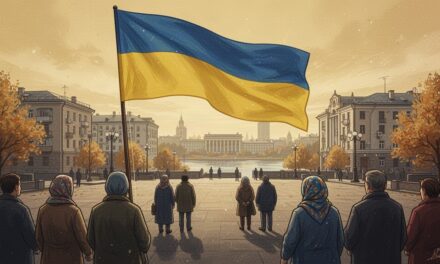
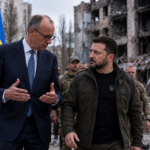
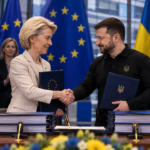
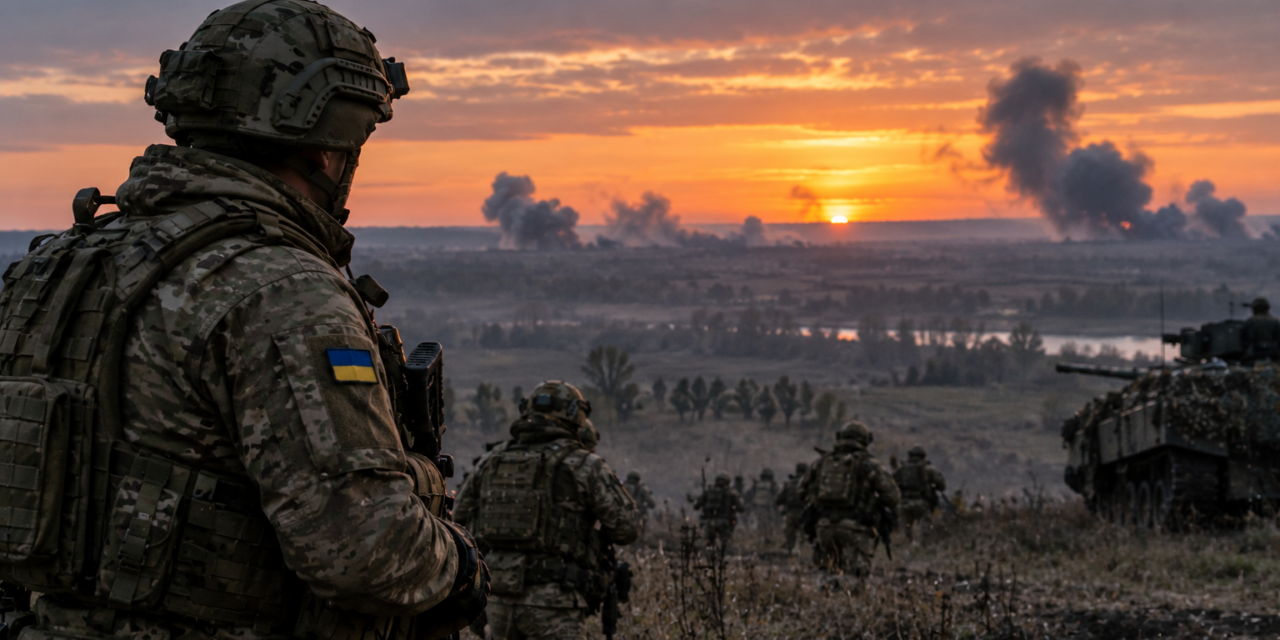
Image note: The featured image was generated by AI based on the content of this article. It is an illustration, not an actual photograph of the people, places or events described.