
US President Donald Trump says Washington will ask European countries to pay back the cost of the weapons and ammunition the United States sent to Ukraine while Joe Biden was in office. Trump made the announcement on September 3, 2026, in a post on his Truth Social platform. He did not say which countries he expects to pay, how much he wants back, or how any repayment would work.
“We will be asking for that money”
In the post, Trump argued that “Hundreds of Billions of Dollars” in support had gone to Ukraine and NATO “free of charge,” and said Europe would have covered the bill if anyone had asked. “We will be asking for that money, though somewhat belatedly,” he wrote.
He also claimed the Biden administration gave Ukraine far more munitions than the US has used in its own war with Iran, and that Kyiv paid nothing for them.
Iran war, munitions and a pause on arms sales
The repayment demand was part of a longer post rejecting reports that the six-month US war with Iran has badly drained American stockpiles. Fighting escalated again after US forces carried out around 100 strikes on Iran on September 1. Trump insisted the country has “virtually unlimited amounts” of mid- to high-grade ammunition, said production is running at record levels, and said stockpiles are being built up for future contingencies. He called the media outlets reporting shortages “treasonous SCUM.”
Trump also appeared to confirm that the US has temporarily stopped selling munitions abroad. “We are taking them for ourselves, the U.S.A., rather than selling them to others,” he wrote, adding that sales to allies would resume soon. His comments came weeks after Reuters reported that the US Army had used up much of its supply of highly accurate long-range missiles in the Iran campaign, raising concerns about readiness.
The demand also landed at a tense moment with European capitals. Trump has been openly frustrated with European and NATO members that declined to join the US war against Iran.
Aid figures that don’t add up
Trump’s numbers on Ukraine aid have shifted over time. On August 7, responding to Ukrainian President Volodymyr Zelenskyy’s request for more Patriot air defense systems, Trump said “We want missiles too” and claimed Biden had given Zelenskyy “$300 billion worth of ammunition.” It is unclear where that figure comes from. Trump has put total US aid as high as $500 billion on other occasions, while Zelenskyy has said the real number is closer to $100 billion.
A recurring theme of Trump’s second term
Making Europe pay for Ukraine’s defense has been a steady message since Trump returned to the White House, and he has also pressed Kyiv itself for repayment. Speaking at the Conservative Political Action Conference (CPAC) on February 22, he said the US would “get our money back” after Ukraine agreed to a deal giving Washington access to half of its revenue from critical natural resources, including rare earths and oil.
In practice, Europe already pays for much of the American weaponry reaching Ukraine. Under the Prioritized Ukraine Requirements List (PURL), created by the US and NATO last year, European countries buy US-made weapons to send to Kyiv. With direct US aid largely halted under the current administration, European and NATO allies now carry most of the cost of supporting Ukraine against Russia’s full-scale invasion, which is now in its fifth year.
Oil prices and midterm pressure
The post came as oil prices climbed to six-week highs on September 3, driven by the latest US strikes on Iran, renewed Israeli threats against Tehran, and disruption to shipping through the Strait of Hormuz. A day earlier, Treasury Secretary Scott Bessent told Fox News that the US was going through an energy shock and partly blamed Ukraine’s recent strikes on Russian energy facilities for higher oil and gas prices.
The wars in Ukraine and Iran, and their effect on the economy, could weigh on whether Republicans keep control of both chambers of Congress in next year’s elections. None of the initial reports included a response from European governments or NATO to Trump’s repayment demand.
Sources
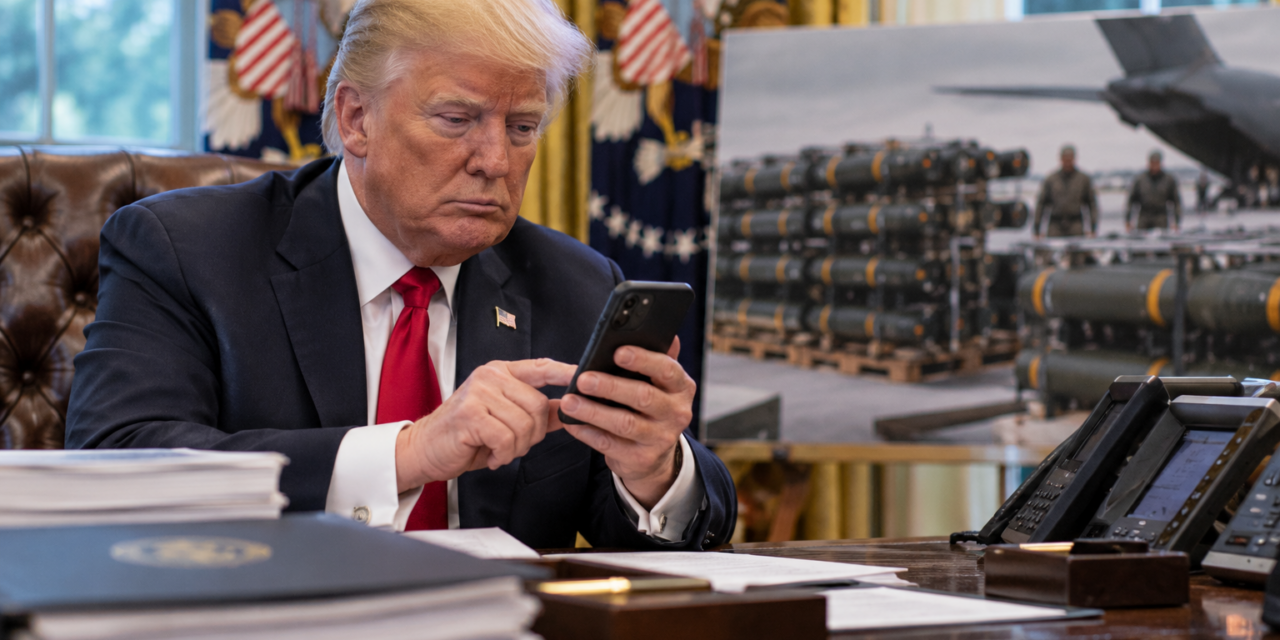
Image note: The featured image was generated by AI based on the content of this article. It is an illustration, not an actual photograph of the people, places or events described.