

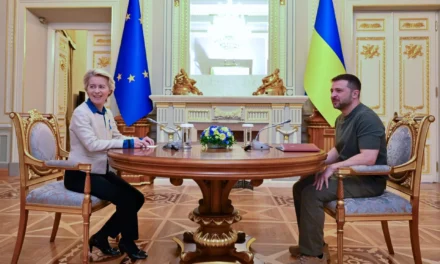
France has pledged to partner with Ukraine in enhancing its air defense capabilities, specifically focusing on anti-ballistic missile systems, as confirmed by Presidents Volodymyr Zelensky and Emmanuel Macron. This collaboration is pivotal in countering the intensified use of Russian ballistic weaponry which has posed a significant threat to Ukraine. Following a high-level discussion between the two leaders, Zelensky emphasized the importance of France’s commitment as a critical step toward strengthening Ukraine’s strained defense architecture. The agreement signifies France’s willingness to provide technical and operational support, potentially involving advanced interception platforms like the SAMP/T system, to bolster Ukraine’s defense against high-velocity, terminal-phase ballistic threats.
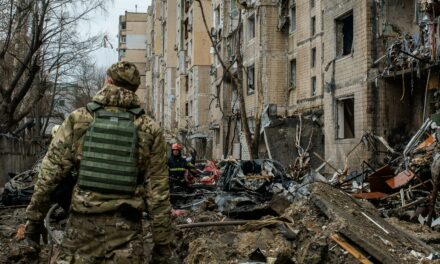
This collaboration comes amidst new intelligence submitted to the United Nations Security Council, highlighting recent aggressive actions by Russian forces. In a span of just a month, Russia launched a significant number of ballistic missiles and drones into Ukrainian territories, leading to devastating civilian casualties. This urgent threat necessitates improved defense strategies and has been a focal point of discussions between the Ukrainian and French presidents. Macron also emphasized aligning with Ukraine on its path toward European integration, underlining France’s support for initiating formal EU negotiations promptly.
In addition to addressing immediate military needs, Macron and Zelensky extended their dialogue to include plans for global coordination against Russian influence. Macron shared insights from his tour of African nations aiming to counteract Russian mercenary influence and disinformation campaigns in the Global South. France’s strategic partnership with Ukraine is part of a broader EU initiative to build self-reliant defense mechanisms. This strategic shift coincides with high-level defense agreements France is signing with other European partners, notably Poland, reinforcing the continent’s collective security framework in the face of evolving geopolitical challenges.
Quelle: Kiewer Post




 German
  English
  Ukrainian
  French
  Spanish
  Chinese