
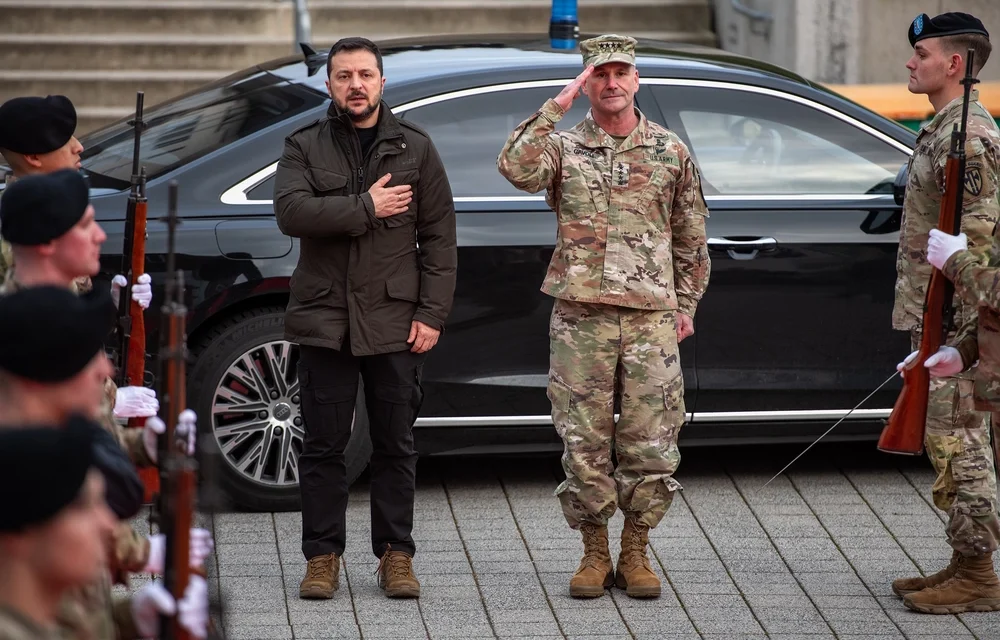
U.S. European Command chief Gen. Christopher Cavoli told lawmakers on April 4, 2025, that Ukrainian forces still hold a meaningful slice of territory inside Russia’s Kursk region and have recently pushed into neighboring Belgorod, confirming an expansion of limited cross-border operations. He said Kyiv’s troops occupy advantageous defensive ground and that the situation along the frontier remains fluid. politico.eu
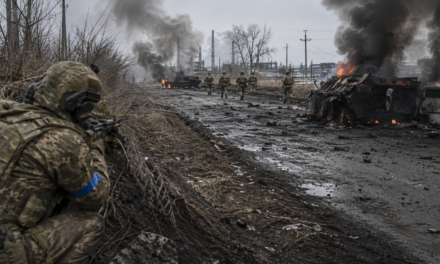
Independent mapping backs up the endurance of this presence. The DeepState OSINT project, tracked by outside analysts, estimates Ukraine currently retains roughly 140 square kilometers in Kursk—down sharply from the approximately 1,300 square kilometers seized in last summer’s surprise incursion but still a stubborn foothold on Russian soil. russiamatters.org
The cross-border actions align with President Volodymyr Zelenskyy’s stated aim from March 2025 to pre-empt and complicate Moscow’s expected drive against Sumy and Kharkiv by creating pressure points across the border. By nipping at the edges of Belgorod and holding in Kursk, Kyiv seeks to force Russia to disperse units, defend its rear, and accept the political optics of fighting on its own territory. Reuters
Cavoli also offered a broader battlefield readout. He argued that Ukraine has fortified its defenses, is improving the flow of recruits and training to sustain those lines, and is employing one-way attack drones and domestically produced cruise missiles to offset shortages in artillery and armor. By contrast, he described Russian forces as constrained by dwindling armored vehicles and manpower, limiting their ability to achieve decisive breakthroughs. Euromaidan PressDefenseScoop
Strategically, the picture he sketched is one of grinding reciprocity rather than inevitability. A sweeping Ukrainian offensive to liberate every occupied district is hard to envision in the near term—but so too is a Ukrainian collapse. Instead, the contest looks set to hinge on who best adapts: Ukraine by hardening defenses, expanding indigenous strike capacity, and making selective cross-border moves that bend Russia’s logistics and morale; Russia by massing enough combat power to punch through fortified lines while managing its own equipment and manpower deficits. Either way, the testimony underscores a war entering a mature phase in which incremental territorial control and cumulative effects—on supply chains, recruitment, and domestic narratives—may matter as much as dramatic advances.




 Spanish
  English
  Ukrainian
  French
  German
  Chinese