
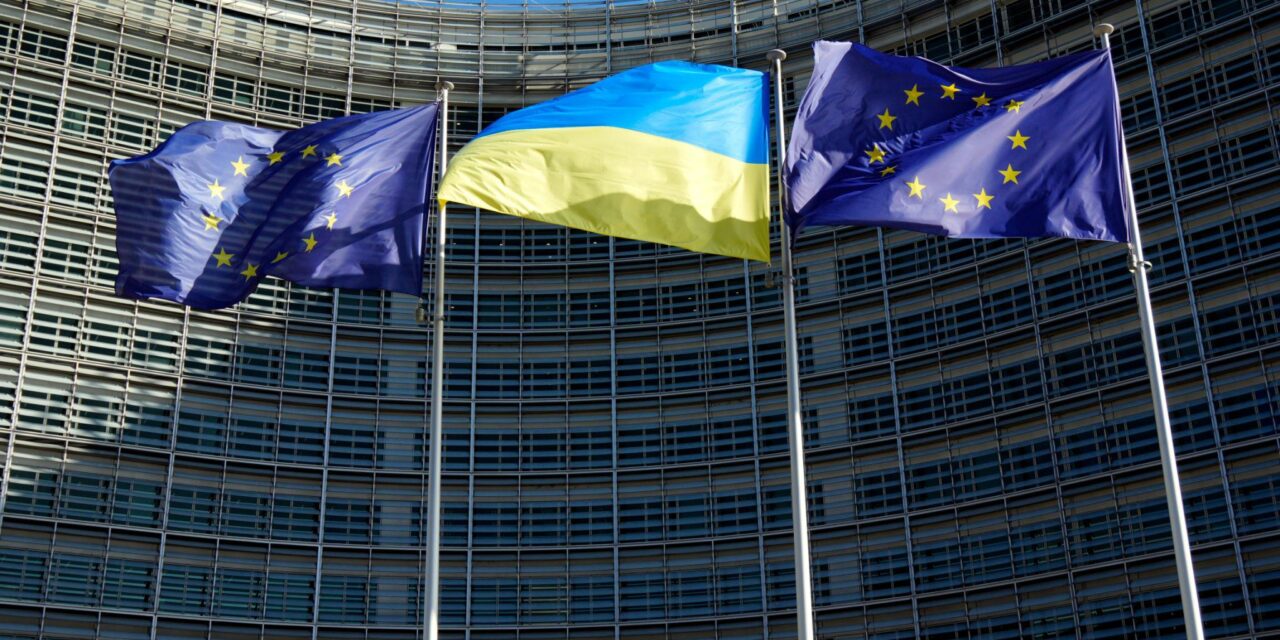
The European Union is moving toward releasing the first portion of a massive €90 billion financial support package for Ukraine, with disbursement expected by late May or early June 2026. According to European Commissioner for Economy Valdis Dombrovskis, there are no technical obstacles delaying the process, and funds will be transferred once final documentation and agreements are completed. This loan represents a central pillar of Europe’s continued economic backing for Ukraine as the country navigates both wartime pressures and long-term recovery needs.
The planned funding is expected to cover approximately two-thirds of Ukraine’s external financing requirements for 2026 and 2027. Ukrainian Finance Minister Serhii Marchenko confirmed that while the financial gap for 2026 has effectively been secured, uncertainty remains regarding how the remaining needs for 2027 will be addressed. Ukrainian authorities are currently drafting the next state budget, balancing both military expenditures and civilian priorities, which adds urgency to securing reliable multi-year funding.
European officials have increasingly emphasized that while the EU is taking on a substantial share of the burden, additional contributions from global partners will be essential. The remaining funding is expected to come from institutions such as the International Monetary Fund, the Group of Seven, and bilateral agreements with individual EU member states. Dombrovskis highlighted that while Ukraine’s financial position in 2026 is relatively stable, the looming deficit in 2027 represents the more pressing concern.
To unlock the funds, Ukraine and the EU are finalizing a Memorandum of Understanding that outlines reform commitments Kyiv must implement. Despite the pending disbursement, Ukraine currently has enough financial support from international partners to maintain operations until the EU funds arrive.
The urgency of finalizing the package has also been reinforced by Ukrainian Foreign Minister Andrii Sybiha, who called for immediate approval, warning that delays could have tangible negative consequences. Meanwhile, EU foreign policy chief Kaja Kallas expressed optimism that political hurdles, including resistance from certain member states, may soon be resolved.
Overall, while the EU’s commitment demonstrates strong and structured support, the unresolved funding gap for 2027 underscores the need for broader and more coordinated international engagement.







 Spanish
  English
  Ukrainian
  French
  German
  Chinese