
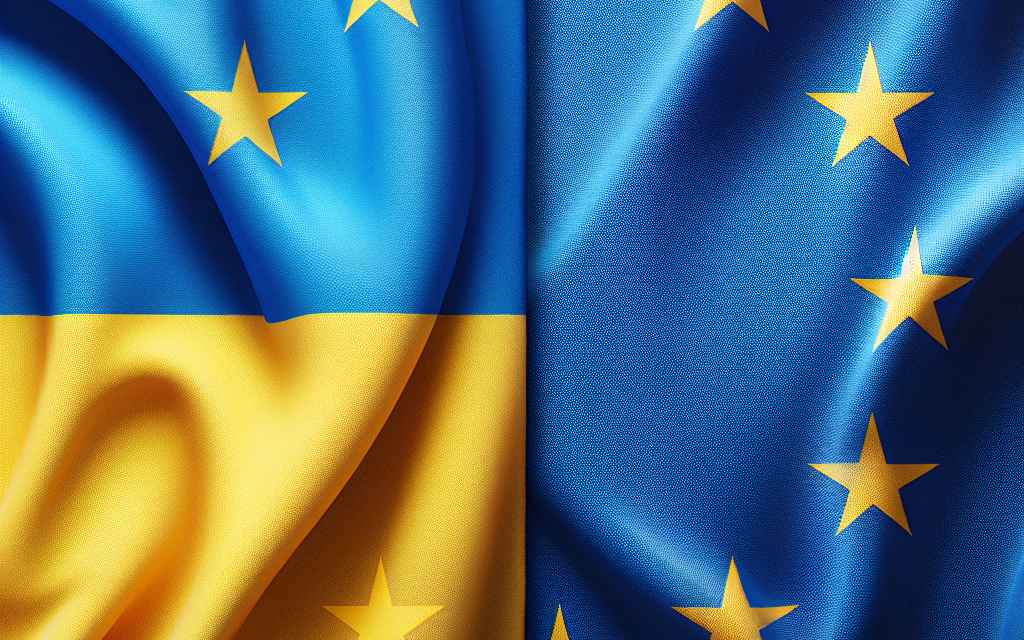
Ukraine is anticipating the launch of formal EU accession negotiations in the coming weeks, a significant step in its long-standing endeavor to join the European Union. This progress follows years of stalled negotiations primarily due to internal disagreements and vetoes within the EU, particularly from Hungary and Slovakia. Ukrainian Deputy Prime Minister for European Integration Taras Kachka expresses optimism, envisioning 2027 as a realistic target to conclude most negotiation chapters and to begin drafting the accession treaty.
Ukraine’s accession process, which has been static since attaining candidate status in 2022, anticipates a shift in late May or early June as EU ministers might initiate the first set of negotiating clusters. These clusters are essential reform areas central to EU membership, covering governance sectors like rule of law, public accountability, and economic strategies, all of which require unanimous consent from the EU’s 27 member states.
Concurrently, the EU has strengthened its support for Ukraine by approving a €90 billion financial aid package and escalating sanctions against Russia. Despite some nations, such as Hungary, expressing reluctance to fast-track Ukraine’s accession, there remains a commitment not to impede the standard accession procedure. However, Ukraine firmly dismisses proposals of a “symbolic” EU membership pitched by France and Germany, advocating instead for a complete and conventional accession path. Despite this forward momentum, European officials highlight that the accession journey is intricate and protracted, necessitating consistent reform across Ukraine’s governance and legislative frameworks. The commitment to transform these sectors aligns with the precedent set by Croatia, the last nation to complete EU accession in 2013.
Fuente: Euromaidan Press








 Spanish
  English
  Ukrainian
  French
  German
  Chinese