

The World Bank has highlighted the devastating impact of the ongoing conflict on Ukraine’s economy, noting that the war has rendered economic activities impossible across vast areas of the country. This assessment comes as both Ukraine and Russia face significant economic downturns due to the conflict and ensuing sanctions.
According to the World Bank, Russia’s invasion has led to widespread business closures, a sharp decline in exports, and the destruction of critical production capacities, as reported by Reuters. The bank forecasts that Russia’s economy will contract by over 11% this year due to sanctions.
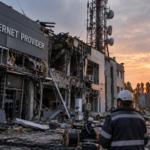
For Ukraine, the outlook is even more dire. The World Bank projects a staggering 45.1% contraction in Ukraine’s economic output this year. The conflict has forced a large portion of Ukraine’s workforce to either flee or fight, leading to the closure of businesses and the destruction of roads, factories, and other infrastructure. The World Bank states that years of progress have been undone.
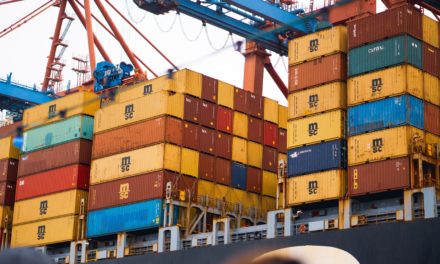
The economic damage is expected to surpass the impact of the Covid-19 pandemic in Eastern Europe and Central Asia. The closure of Ukrainian ports on the Black Sea has resulted in a 90% reduction in grain exports and a significant decrease in overall exports.
The war has also disrupted agricultural activities, affecting both planting and harvesting. The World Bank emphasizes that the Russian invasion is dealing a severe blow to Ukraine’s economy and causing extensive damage to its infrastructure. Ukraine urgently requires substantial financial support to sustain its economy and assist its citizens facing extreme hardship.
Anna Bjerde, the World Bank’s Vice President for Europe and Central Asia, stressed the need for immediate financial aid to help Ukraine maintain its economic stability and support its people.
As reported by UNIAN, Ukraine’s GDP fell by 16% in the first quarter of 2022 compared to the same period last year due to the war initiated by Russia. The Ministry of Economy predicts that the annual GDP decline could reach 40%. The hardest-hit sectors are those where remote work is not feasible, including aviation, maritime transport, and service industries that rely on direct consumer interaction.
Pour en savoir plus unian.ua







 French
  English
  Ukrainian
  German
  Spanish
  Chinese