
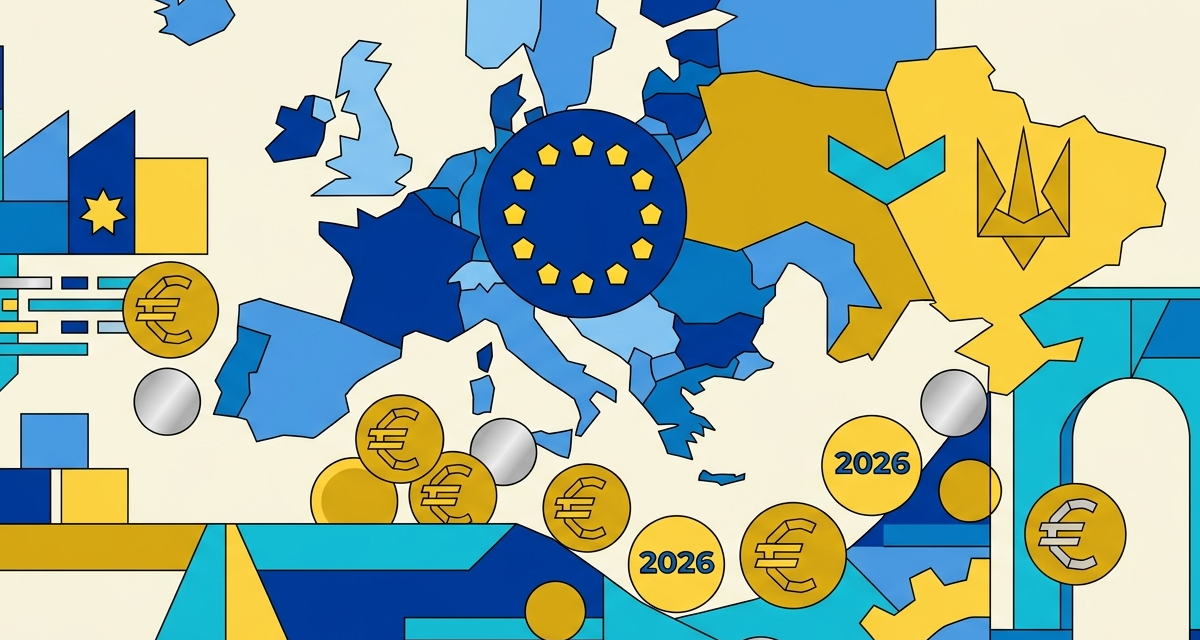
In a significant move, the European Council has finalized legislation to provide a €90 billion loan to Ukraine, which was initially agreed upon in December 2025. This financial package is aimed at addressing Ukraine’s urgent budgetary needs in the forthcoming years of 2026 and 2027, with a focus on enhancing the country’s defense industrial capacity. The disbursement of funds is conditional, requiring Ukraine to adhere to the rule of law and address issues such as corruption. This initiative is framed to ensure transparency and accountability, reinforcing the EU’s commitment to supporting Ukraine’s sovereignty and territorial integrity amid ongoing conflict.
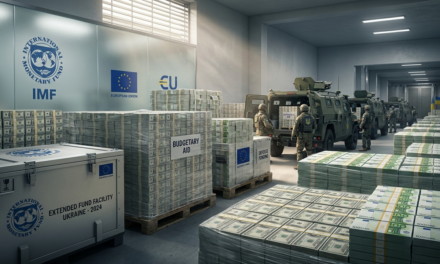
The financial backing is structured into two main segments: €30 billion allocated for macroeconomic support and €60 billion dedicated to bolstering Ukraine’s defense capabilities. This division reflects the EU’s strategic approach to not only stabilize Ukraine’s economy but also strengthen its defense sector, crucial for resisting aggression and maintaining security in the region. Funds will be sourced through EU borrowing on the capital markets, with a unique repayment plan involving reparations from Russia, highlighting the interconnected nature of financial aid and geopolitical dynamics.
Alongside the financial aid package, the European Council approved its 20th sanctions package against Russia. This move underscores the EU’s strategy to exert economic pressure on Russia, aiming to weaken its war economy and drive home the futility of prolonged conflict. According to EU High Representative Kaja Kallas, these sanctions aim to strain Russia’s economy further, reinforcing the EU’s stance against the ongoing war in Ukraine.
Overall, the European Union remains resolute in its support for Ukraine, blending immediate financial assistance with strategic economic policies. These efforts aim to empower Ukraine to withstand external pressures while simultaneously promoting governance reforms within the country, signifying a robust and multi-faceted approach to regional stability.
Source : EU NEIGHBOURS east




 French
  English
  Ukrainian
  German
  Spanish
  Chinese