

As Vladimir Putin prepares to address the nation on Tuesday to mark the Soviet triumph over Nazi Germany, the backdrop is one of heightened tension following a week marked by drone attacks on the Kremlin and internal military discord. The recent drone incursion over the Kremlin, Russia’s historic seat of power, has exposed vulnerabilities in Moscow, leading to increased security measures such as banning drones and jamming GPS signals, which have caused disruptions like taxis appearing in the Moscow River on apps. Police have been equipped with binoculars to detect incoming drones, reflecting an unprecedented nervousness in the city.
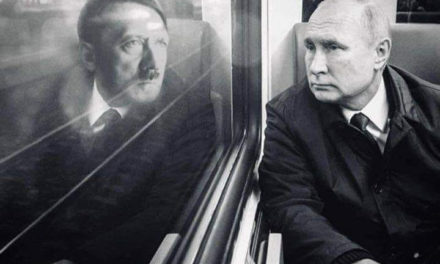
Despite these challenges, the Victory Day celebrations will proceed, underscoring their significance to Putin’s vision of Russian identity. This year’s preparations have been unusually scrutinized, with Putin discussing the event with his security council. The parade, a symbol of Russian military prowess, is crucial for Putin, who derives legitimacy from aligning himself with the Soviet victory over Nazi Germany.
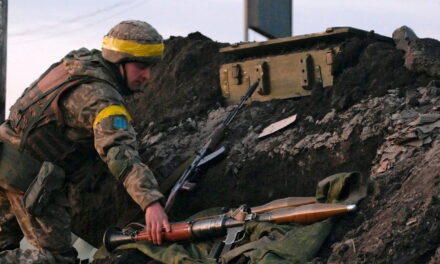
However, the ongoing conflict in Ukraine casts a shadow over the festivities. Russia’s military efforts have yielded minimal gains at great cost, with over 20,000 soldiers reportedly killed since December. Adding to the Kremlin’s woes, mercenary leader Yevgeny Prigozhin has publicly criticized top defense officials, and his Wagner troops plan to withdraw from Bakhmut on May 10, following the parade. The strain of the war is evident in the parades, with conscripts filling in for contract soldiers deployed in Ukraine. Some regions have had to improvise, using military instructors to maintain appearances.
The Immortal Regiment march, a key Victory Day event, has been canceled, possibly to avoid highlighting Russian casualties in Ukraine. Analysts predict Putin will draw parallels between the current conflict and World War II, framing Ukraine as a successor to Nazi Germany. Despite the Kremlin’s narrative, public sentiment shows reluctance to support the war financially, with many Russians unwilling to contribute to military efforts. A recent poll indicates widespread anxiety and fear about the new conscription law, suggesting that while the nation has adapted to war, many prefer to avoid personal sacrifice.



 Ukrainian
  English
  French
  German
  Spanish
  Chinese