
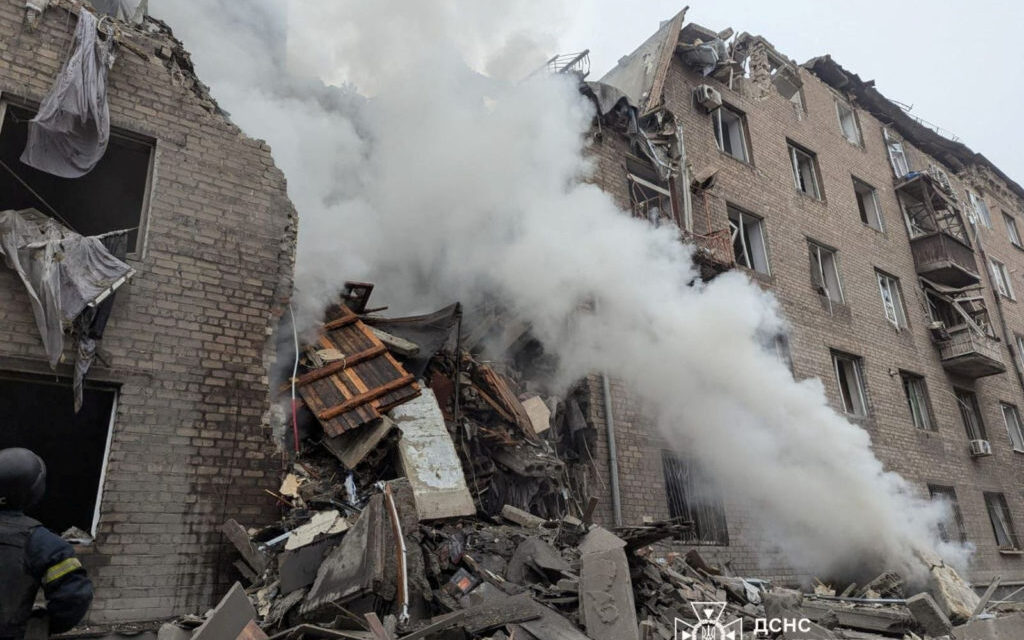
A new assessment compiled by European governments indicates that violence against civilians in Ukraine intensified significantly throughout 2025, even as diplomatic initiatives aimed at ending the war were underway. According to the findings, approximately 2,400 civilians were killed and nearly 12,000 injured during the year, marking a sharp increase of close to 30% compared with 2024. These figures align closely with data released by the United Nations, reinforcing concerns about the worsening humanitarian impact of the conflict.
The broader toll since the start of Russia’s full-scale invasion in February 2022 is estimated at around 15,000 civilian deaths and more than 40,000 injuries. Among the victims are hundreds of children, with 758 reported killed and over 2,400 injured. Elderly civilians have been particularly vulnerable, especially those who remain in frontline areas where access to shelter and evacuation options is limited.
While the report does not explicitly determine the strategic intent behind Russia’s actions, it identifies a striking pattern: spikes in large-scale attacks appear to coincide with renewed diplomatic engagement led by U.S. President Donald Trump. Following a March phone call between Trump and Russian President Vladimir Putin, which initiated ceasefire discussions, more than 2,000 civilian deaths were recorded. Similarly, the months after renewed direct talks in May saw some of the most extensive aerial assaults of the entire war.
The escalation continued into the latter part of the year. After an August meeting between Trump and Putin, Russia dramatically increased its use of drones, launching an average of 5,300 per month—more than five times the previous year’s rate. Later, as reports emerged of a detailed peace framework being drafted, Russia carried out thousands more drone and missile strikes, causing further civilian casualties.
European officials interpret these developments as a possible indication that Moscow is leveraging increased military pressure to strengthen its position in negotiations. The findings suggest that rather than easing hostilities, periods of diplomatic activity may have coincided with intensified attacks, raising serious questions about the prospects for a near-term resolution to the conflict.
Читайте більше за посиланням bloomberg.com




 Ukrainian
  English
  French
  German
  Spanish
  Chinese