

Ukraine has appointed Mykhailo Fedorov as its new defense minister, signaling a strong shift toward modernizing the country’s military through technology and systemic reform. At just 34, Fedorov brings a background rooted in digital innovation, having previously served as deputy prime minister and minister of digital transformation. In those roles, he was instrumental in advancing Ukraine’s digital infrastructure and played a critical part in shaping the country’s technological response to Russia’s invasion.
Fedorov has emphasized that outdated military structures cannot effectively support modern warfare, particularly in an era dominated by rapidly evolving technologies. His vision centers on transforming Ukraine’s defense system by integrating advanced tools such as drones, strengthening cyber capabilities, and overhauling internal processes. He has pledged to tackle long-standing issues including corruption, inefficiency, and weak leadership culture, aiming instead to reward performance and build trust within the ranks.
The appointment follows a broader government reshuffle initiated by President Volodymyr Zelenskyy, intended to reinforce Ukraine’s resilience as the war continues into its fifth year. Fedorov replaces Denis Shmyhal, who transitions to the energy sector after controversy surrounding the previous defense leadership. Despite the changes, Fedorov is viewed as a stable and reputable figure within Zelenskyy’s team, known for delivering tangible results.
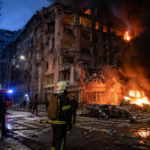
A key priority outlined by Zelenskyy is strengthening air defense systems to counter persistent Russian attacks on civilian infrastructure, which have caused widespread power and heating disruptions. Beyond that, Fedorov is tasked with improving frontline logistics, addressing supply shortages, and enhancing coordination between military units and defense technology initiatives. His previous involvement in projects such as the Army of Drones and the Brave-1 defense-tech cluster positions him well to accelerate innovation in Ukraine’s military sector.
Ultimately, Ukraine continues to pursue a diplomatic resolution to the conflict, but leadership acknowledges that sustained defense efforts remain essential if peace is not achieved. Fedorov’s appointment reflects a dual-track strategy: seeking peace while preparing for prolonged resistance through technological superiority and institutional reform.
Read more at politico.eu


 Chinese
  English
  Ukrainian
  French
  German
  Spanish