
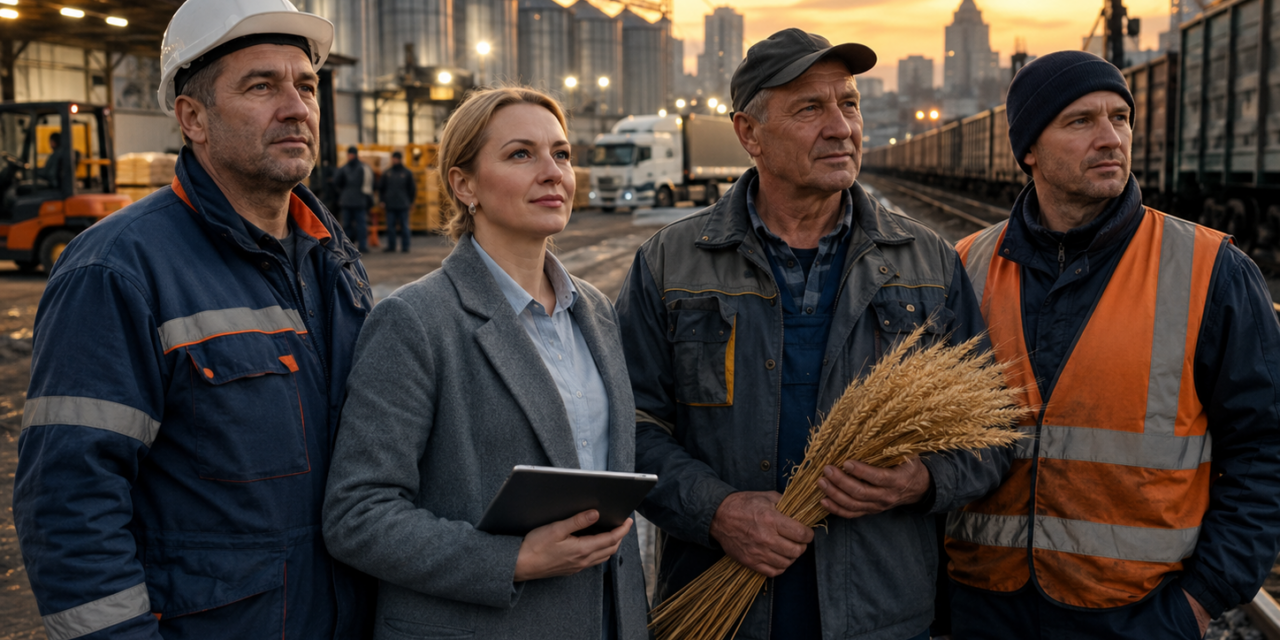
On June 30, 2026, Prime Minister Denys Shmyhal shared a reflective post on Facebook summarizing Ukraine’s journey through 2022. He emphasized Ukraine’s unwavering determination as it entered 2023, united in its resolve to defeat the enemy and reclaim its land. Shmyhal expressed gratitude to Ukrainian defenders, acknowledging their sacrifices during the New Year celebrations, which allowed citizens to gather in peace.
Shmyhal thanked those supporting the Armed Forces of Ukraine, highlighting their crucial role in the fight for freedom. He also praised critical infrastructure workers, including energy and utility personnel, for bringing light and warmth to homes and hearts. Reflecting on the past year, Shmyhal noted that Ukraine and its people laid a robust foundation for victory, achieving significant results across various sectors.
In 2022, Ukraine secured record security sector funding exceeding 1.2 trillion UAH and established the effective ‘Ramstein’ format involving 50 countries. Ukraine applied for NATO membership, which Shmyhal described as a peace guarantee for future generations. The Ukrainian army emerged as one of the most capable in Europe and globally.
In terms of European integration, Ukraine achieved EU candidate status and is poised to begin accession talks in 2023. The country also secured five ‘visa-free’ agreements with the EU, covering energy, transport, economy, customs, and digital sectors. Shmyhal stressed that Ukraine sees itself as part of the European family, a vision shared by Europe.
Economically, Ukraine maintained control over financial processes, attracting $31.2 billion in international support, primarily from the US, EU, and IMF, with 45% being grants. Shmyhal emphasized the importance of domestic contributions, with two-thirds of budget funds sourced internally. He commended those paying taxes and purchasing war bonds for their role in the victory effort.
Ukraine improved existing and launched new business support programs, including preferential loans and grants, while reducing business checks and simplifying permits and licenses. Over 700 enterprises were relocated to safer areas, preserving jobs. Ukrainian goods gained access to new markets, with import duties lifted by the EU, UK, Canada, and Australia.
Agricultural support included 80 billion UAH in loans, enabling farmers to harvest over 60 million tons of crops. The ‘grain initiative’ facilitated the export of 15 million tons of agricultural products, with an additional 10 million tons through Danube ports. Fuel imports increased tenfold since March, alleviating the fuel crisis.
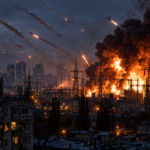
Shmyhal highlighted the resilience of Ukraine’s energy system, which withstood numerous attacks. Reconstruction efforts attracted $1.5 billion, with new equipment arriving daily. Ukraine joined the European energy network ENTSO-E ahead of schedule. At the start of the heating season, Ukraine had 14.5 billion cubic meters of gas and 1.5 million tons of coal, with resources replenished as needed.
Socially, Ukraine fulfilled all commitments to citizens, distributing 30 billion UAH through the eSupport program. Pensions for 11 million retirees were indexed by 16%, and 53 billion UAH was allocated to internally displaced persons. Utility tariffs remained unchanged, with 2.5 million families receiving housing subsidies.
Shmyhal emphasized the state’s commitment to assisting those in need while fostering opportunities for self-realization. He concluded by expressing confidence in Ukraine’s strength, energy, and partner support, driven by a sense of unity and purpose for the nation’s future.


 English
  Ukrainian
  French
  German
  Spanish
  Chinese