
The European Union has sharply reduced its imports of Russian oil and natural gas since Russia’s full-scale invasion of Ukraine, according to data published by Eurostat on July 4, 2023.
Oil: from 26% to 3.2%
In the first quarter of 2022, Russia was the EU’s largest supplier of petroleum oils, with a share of 26.0% of imports from outside the bloc. By the first quarter of 2023, Russia’s share had fallen to 3.2%, a drop of 22.8 percentage points.
Norway (+3.8 percentage points), Saudi Arabia (+3.4 points) and the United States (+2.7 points) recorded the largest increases in their shares of EU petroleum oil imports.
Gas
Russia was also the EU’s largest supplier of natural gas in gaseous state in the first quarter of 2022, with a share of 38.8%, just ahead of Norway at 38.1%. Russia’s share fell by 21.4 percentage points by the first quarter of 2023, while Norway (+8.0 points), Algeria (+7.4 points) and the United Kingdom (+4.0 points) increased their shares.
For liquefied natural gas (LNG), Russia was the second-largest supplier in the first quarter of 2022 with 18.1%, behind the United States at 48.6%. Russia’s share fell by 4.9 points, while Norway, Qatar and Algeria gained.
Sanctions and diversification
The shift reflects EU sanctions, including bans on seaborne imports of Russian crude oil from December 2022 and refined petroleum products from February 2023, as well as Russia’s cuts to pipeline gas deliveries and the bloc’s efforts to diversify supplies under its REPowerEU plan.
Sources
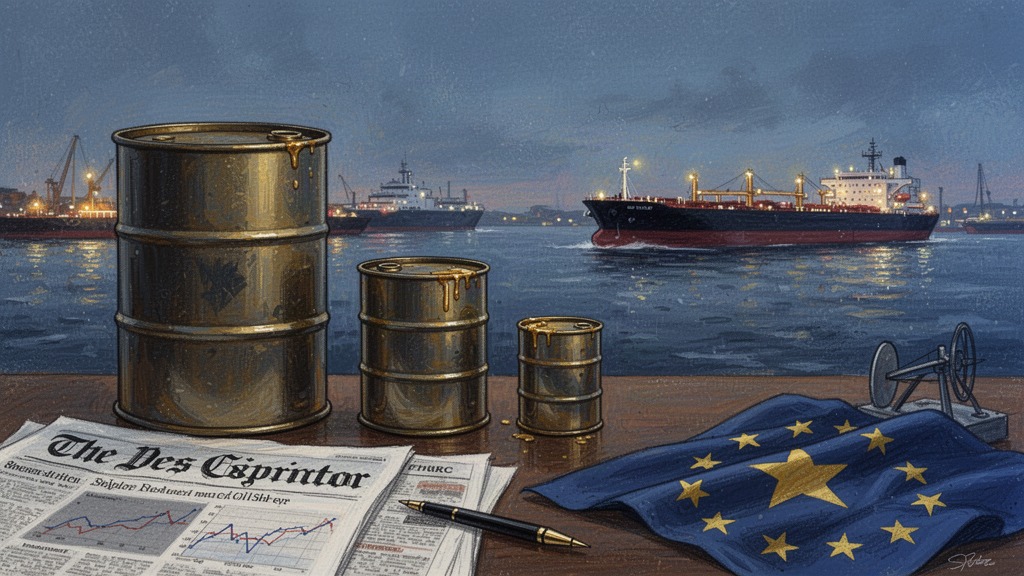
Image note: The featured image was generated by AI based on the content of this article. It is an illustration, not an actual photograph of the people, places or events described.