

Russia is signaling that it is not prepared to accept a near-term settlement of its war against Ukraine, even as Kyiv and its Western partners continue working on a new peace framework. Russian Deputy Foreign Minister Sergei Ryabkov rejected expectations of an imminent agreement and argued that proposals developed by Ukraine, the United States and Europe remain incompatible with Moscow’s demands. Russian officials are continuing to present the August 2025 Alaska summit as having established a bilateral framework with Washington, although no formal agreement emerged from that meeting and President Donald Trump publicly said at the time that no deal had been reached. More significantly, Moscow is linking any settlement in Ukraine to its wider demands concerning European security. Ryabkov invoked Russia’s 2021 ultimatums to NATO, which included demands for a rollback of the alliance’s military presence in Eastern Europe. This indicates that the Kremlin continues to seek concessions extending far beyond territorial questions inside Ukraine. Meanwhile, President Volodymyr Zelensky said the emerging 20-point peace framework was about 90 percent complete and prepared for further discussions with Trump on security guarantees, territory and reconstruction.
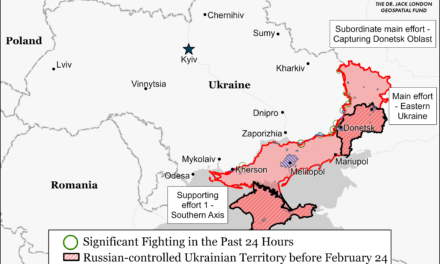
Developments on the battlefield are also challenging Moscow’s public narrative. Ukrainian forces have recently advanced in several parts of Kupyansk, with even Russian military bloggers acknowledging Ukrainian activity across much of the city and the loss of several nearby positions. Some Russian sources described the situation for Russian troops west of the Oskil River as increasingly difficult and blamed the deterioration on commanders repeatedly submitting exaggerated or false reports about battlefield successes. Russian authorities had previously announced the capture of Kupyansk and presented the operation as evidence of continuing Russian momentum. The discrepancy between those claims and subsequent battlefield developments has prompted unusually open criticism within Russia’s own military-information community. The episode raises broader questions about Kremlin assertions that Russian forces can rapidly seize the remaining Ukrainian-held areas of Donetsk Oblast.
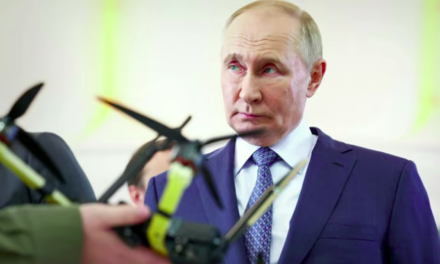
Elsewhere, the front remains fluid. Ukrainian forces reported liberating five settlements in the Oleksandrivka direction, while Russian troops made advances inside Hulyaipole after concentrating substantial forces there. The pattern suggests that Russia can still achieve localized gains by massing troops and equipment, but doing so may create vulnerabilities in neighboring sectors and limit its ability to maintain simultaneous offensives. Russia is also intensifying technological warfare. Zelensky accused Moscow of exploiting Belarusian territory to facilitate drone attacks on railway infrastructure in western Ukraine, while Russian authorities are expanding dedicated unmanned-systems formations and attempting to improve drone production, procurement and training. The Russian military has created additional drone units and appears increasingly interested in adopting organizational practices similar to those developed by Ukraine. Taken together, the political and military developments show a conflict in which Moscow continues to demand far-reaching strategic concessions while battlefield realities remain more contested than Kremlin messaging suggests.
read more at :
https://understandingwar.org/research/russia-ukraine/russian-offensive-campaign-assessment-december-26-2025/


 English
  Ukrainian
  French
  German
  Spanish
  Chinese