
Kherson was the centre of Russia’s campaign to assimilate local residents and eradicate Ukrainian identity, but the effort failed, The New York Times reported on November 13, 2022, two days after Ukrainian forces liberated the city.
Everyday resistance
The Russian campaign “bumped into severe resistance,” according to the report, as summarised by Euromaidan Press. Local clerks refused to accept payment in Russian roubles, teachers ignored recommendations to adapt the curriculum to Russian requirements, and students kept speaking Ukrainian during breaks.
Eight months of occupation
Russian forces seized Kherson in early March 2022, making it the only regional capital they captured after the full-scale invasion. Occupation authorities introduced the rouble, handed out Russian passports, replaced Ukrainian school programmes and staged a referendum in September before Moscow claimed to annex the region.
Liberation
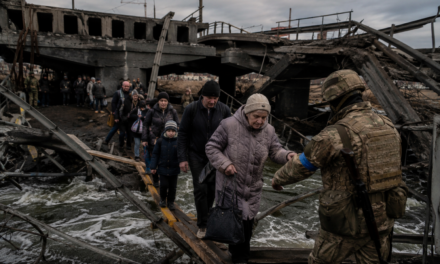
After Russia announced its withdrawal from the right bank of the Dnipro, Ukrainian troops entered Kherson on November 11, greeted by crowds waving Ukrainian flags. President Volodymyr Zelenskyy visited the city on November 14. Ukrainian officials have begun documenting alleged abuses during the occupation, including detentions and torture.
Sources
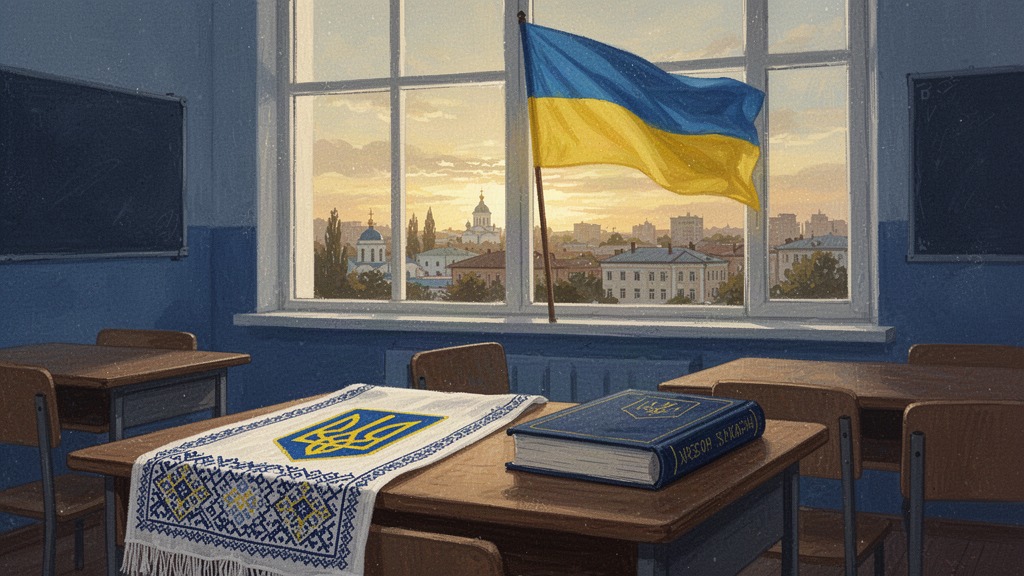
Image note: The featured image was generated by AI based on the content of this article. It is an illustration, not an actual photograph of the people, places or events described.