
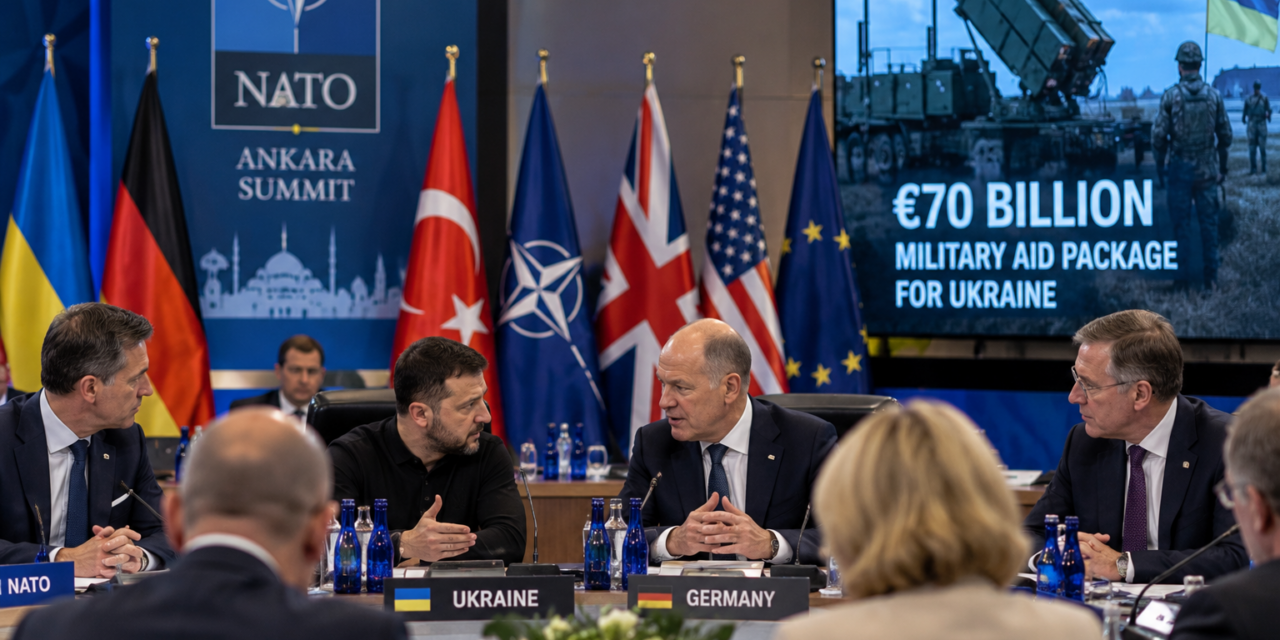
BRUSSELS — NATO member states are deliberating a substantial €70 billion military funding package for Ukraine, potentially to be announced at the alliance’s summit in Ankara next month. This initiative, proposed by Germany, aims to enhance transparency in financial support for Ukraine, addressing concerns from some nations about unequal burden sharing.
A senior NATO diplomat emphasized the importance of securing Ankara’s commitment to maintaining sustainable and equitable support for Ukraine. As the conflict with Russia extends beyond four years, the urgency to bolster Ukraine’s defense capabilities has intensified, with experts suggesting Kyiv is gaining an advantage in the conflict.
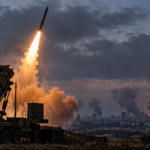
Under the previous U.S. administration of President Donald Trump, new military aid to Ukraine was largely halted, with arms sales contingent on financing from other allies. Ukrainian President Volodymyr Zelenskyy, alongside NATO Secretary-General Mark Rutte, recently called for increased delivery of Patriot interceptors to counter Russian missile threats, citing shortages due to conflicts in Iran.
According to the Kiel Institute, European nations provided €2 billion monthly in military aid to Ukraine from January to April, a slight decrease from the €2.4 billion monthly aid in 2025. Notably, the report indicated an absence of U.S. military aid during this period.
The upcoming NATO summit on July 7-8 will prioritize discussions on Ukraine’s support. A NATO spokesperson confirmed ongoing talks to ensure continued robust support and fairer burden distribution among allies. Ukraine’s ambassador to NATO, Alyona Getmanchuk, stressed the need for commitments focusing on air defense and advanced weaponry.
Despite rejecting a previous proposal to allocate 0.25% of GDP to Ukraine, allies are now considering Germany’s initiative, although discussions are still preliminary. A forthcoming NATO defense ministers’ meeting presents an opportunity to finalize agreements.
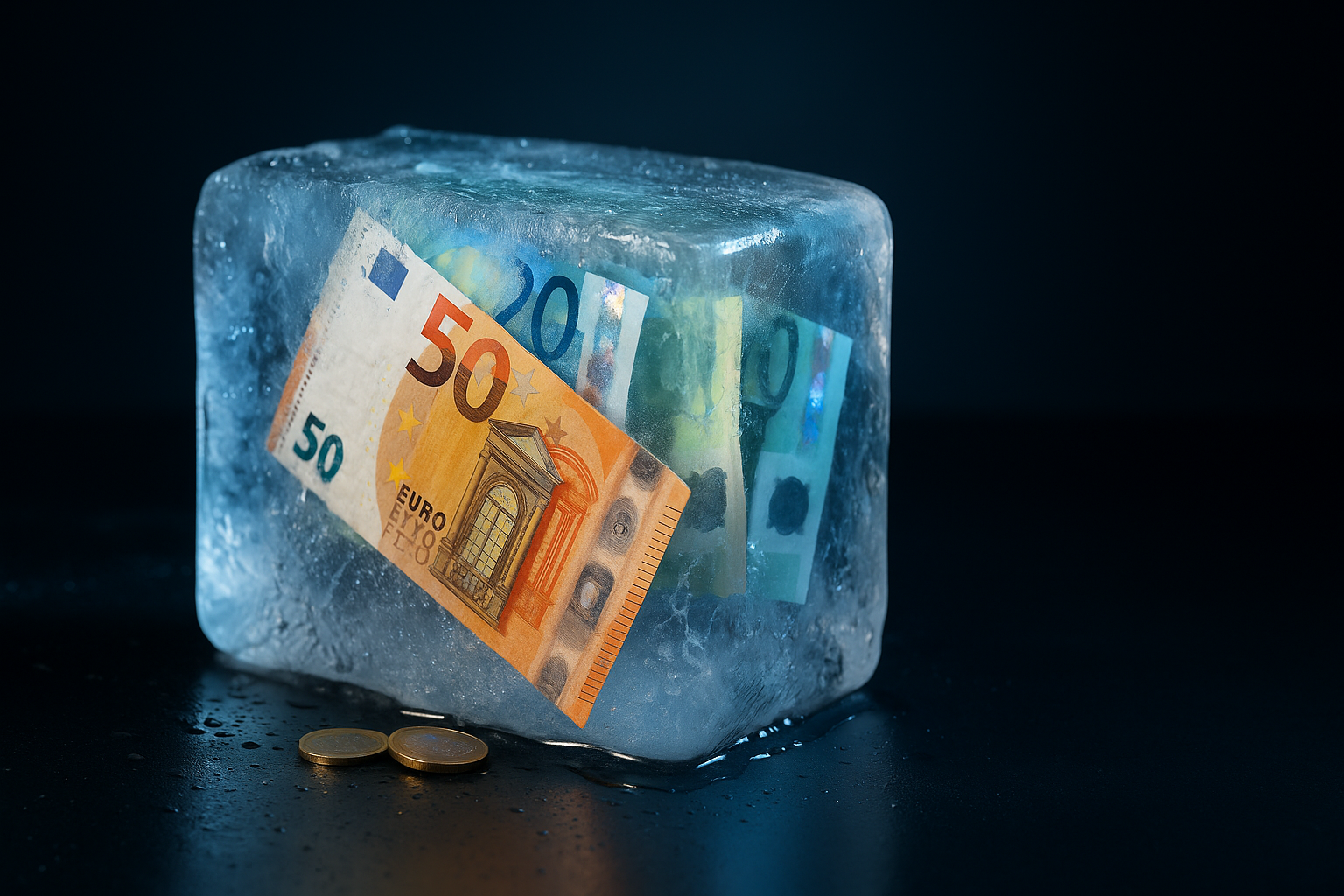
The proposed funding would partly utilize €30 billion from the EU’s existing €90 billion loan to Ukraine, with an additional €40 billion from bilateral commitments. A senior NATO diplomat noted the overlap of EU and NATO memberships, highlighting the importance of avoiding double contributions. However, concerns persist that EU funding might reduce individual country donations. Swedish Foreign Minister Maria Malmer Sterengard emphasized the necessity of maintaining bilateral support alongside EU loans.
Lesen Sie mehr unter politico.eu






 German
  English
  Ukrainian
  French
  Spanish
  Chinese