
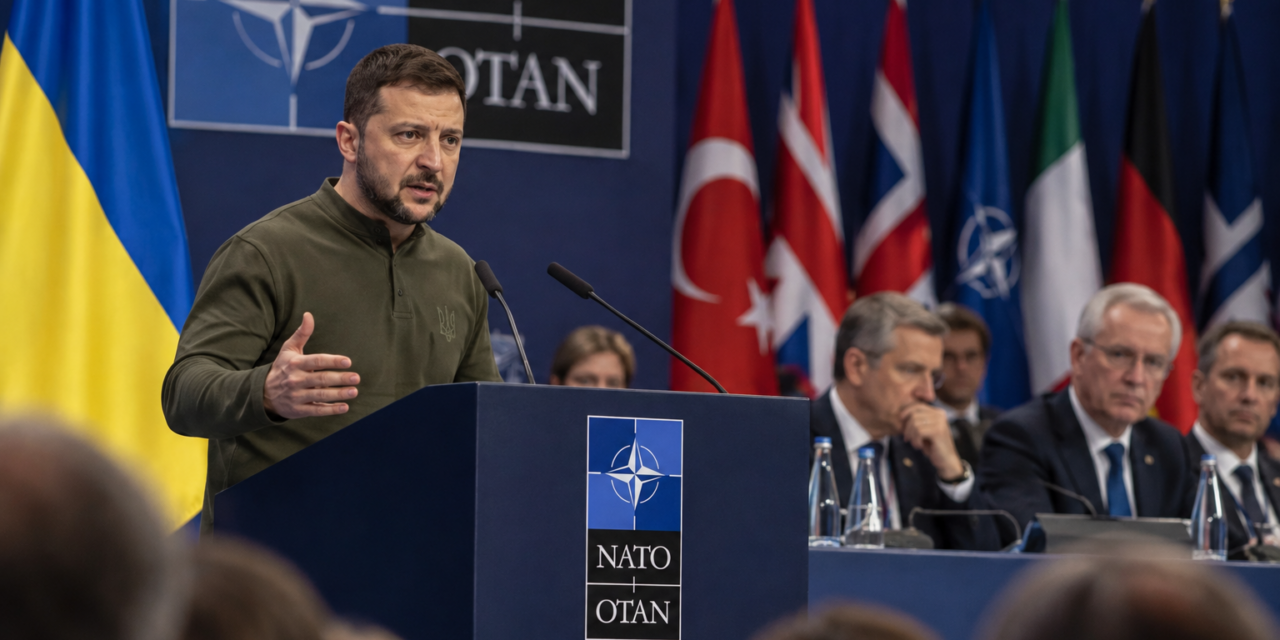
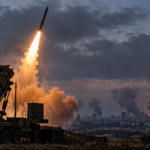
In a fervent appeal at the NATO summit in Ankara, Ukrainian President Volodymyr Zelenskyy called on allies to prioritize air defense support, emphasizing the urgent need for assistance to counter Russian ballistic missile threats. Despite Ukraine’s robust defense efforts, the country remains vulnerable due to a shortage of Patriot interceptors, the U.S.-manufactured missiles crucial for intercepting Russian ballistic attacks.
Zelenskyy’s plea underscores the critical situation Ukraine faces as it grapples with insufficient missile defense capabilities. Addressing the NATO Defense Industry Forum, he stressed, “Please help us get more air defense missiles. This is our top priority right now.” While Ukraine has demonstrated resilience in managing other defense aspects, the president highlighted the necessity of international collaboration for air defense.
Recent Russian missile barrages have highlighted the challenges Ukraine encounters, maintaining high interception rates against drones and cruise missiles but struggling against ballistic missiles without adequate Patriot supplies. Zelenskyy emphasized Ukraine’s advancements in drone warfare, noting that Ukrainian forces eliminate tens of thousands of Russian troops monthly, primarily through drone operations.
Furthermore, he showcased Ukraine’s naval drone capabilities in the Black Sea and the ability to conduct long-range strikes within Russia, illustrating the transformation of Kyiv’s defense industry under wartime pressure. However, Zelenskyy reiterated the need for allies to expedite efforts in bolstering ballistic missile defenses.
He acknowledged the excellence of the Patriot system but pointed out that current production levels fall short of meeting the pressing demand. Discussions with Washington about production licenses have been initiated, and Zelenskyy urged European governments and industries to support this endeavor.
“Europe needs its own effective anti-ballistic systems and missiles,” Zelenskyy asserted. He stressed the urgency, stating that Europe cannot afford to delay until 2030 or beyond, and called for the immediate development of affordable, mass-produced anti-ballistic systems.
Más información en politico.eu






 Spanish
  English
  Ukrainian
  French
  German
  Chinese