
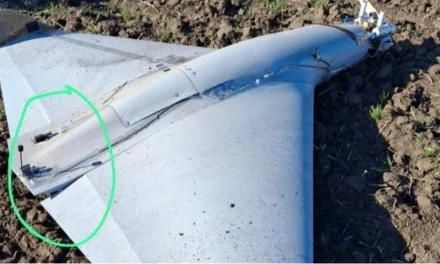
Russia has dramatically expanded its use of RM48U missiles against Ukraine, transforming weapons originally intended as training targets for air-defense exercises into tools for sustained ballistic attacks. Ukrainian data indicates that these repurposed missiles accounted for more than half of the 228 ballistic and hypersonic weapons launched during July and the first eight days of August 2026. Their growing use has allowed Moscow to maintain an intense bombardment while preserving stocks of more capable weapons such as Iskander ballistic missiles.
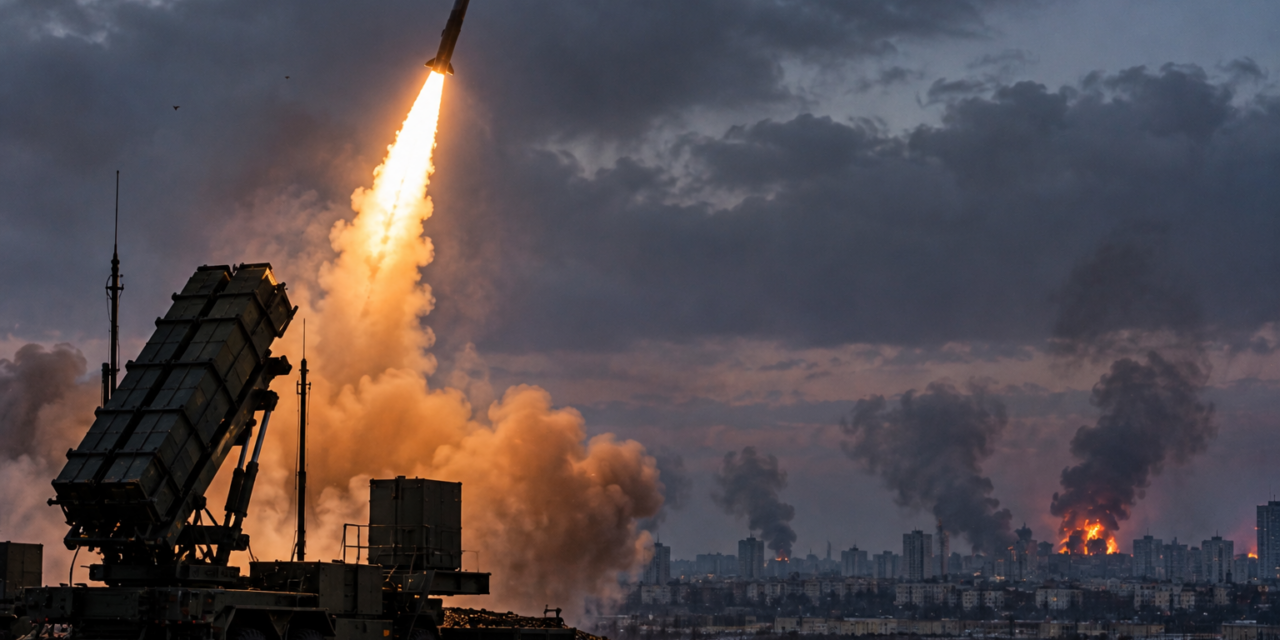
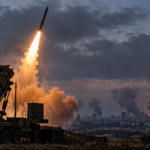
The consequences have been particularly serious because Ukraine’s ability to intercept ballistic missiles has deteriorated. Its stocks of U.S.-made Patriot interceptors, the principal weapons available to Ukraine for countering Russian ballistic missiles, have fallen to critically low levels. Kyiv has repeatedly appealed to the United States and other partners for additional supplies, but international demand for Patriot missiles has increased substantially, creating uncertainty about when significant replacements will reach Ukraine.
Ukrainian investigators say the RM48U is considerably less accurate than the Iskander. Military experts working with prosecutors estimate that the weapon can miss its intended target by roughly 300 metres on average, while its warhead can scatter dangerous fragments across a wide area. Investigators linked the missile to several attacks involving civilian casualties, including a strike on a railway platform in the Brovary district near Kyiv. Eight people were killed during the wider Russian barrage. Forensic examination of the crater, fragments and surrounding damage led Ukrainian investigators to conclude that an RM48U struck the railway area, although Reuters said it could not independently verify that finding.
The deployment also appears to serve a broader military purpose. By firing comparatively plentiful RM48Us at lower-value targets, Russia can pressure Ukraine to expend scarce interceptors while conserving Iskanders, North Korean KN-series ballistic missiles and hypersonic weapons for future operations. Ukrainian figures show this pattern clearly: as RM48U launches surged in July, the number of Iskanders fired declined sharply compared with June.
The scale of Russia’s ballistic campaign has nevertheless continued to grow. July recorded 158 confirmed ballistic and hypersonic strikes, including 87 involving RM48Us. Another 70 such strikes were recorded during just the first eight days of August, with RM48Us accounting for 36. Ukrainian intelligence believes Russia intends to increase annual production of the missile substantially, from approximately 200 units in 2025 to 480 in 2026.
These developments come as aerial warfare assumes an increasingly important role in the conflict. Russia is intensifying missile and drone attacks while Ukraine conducts long-range drone strikes against Russian refineries, ports, ships and other strategic facilities. Civilians are increasingly exposed to the escalation. The United Nations recorded at least 437 civilian deaths in Ukraine during July, the highest monthly figure since the early stages of the full-scale invasion.
With winter approaching, analysts warn that Russia may preserve its more sophisticated missiles for attacks against Ukrainian energy and heating infrastructure. Ukraine’s shortage of Patriot interceptors therefore represents a critical vulnerability, making renewed Western air-defense supplies central to its ability to withstand a potentially intensified winter missile campaign.
Russia Repurposes Training Missiles as Ukraine’s Defenses Thin






 Spanish
  English
  Ukrainian
  French
  German
  Chinese