

The Central Bank of Russia’s gold reserves have decreased to 73.2 million troy ounces, equivalent to 2.28 thousand tons, as of August 1, marking their lowest point since January 2020. This decline, reported by The Moscow Times on August 20, highlights a significant reduction of 0.2 million ounces in July alone, with total reductions amounting to approximately 50 tons since the beginning of the year. The value of these reserves has diminished by $33.7 billion over the past seven months.
This downturn signifies a departure from a period of consistent accumulation. Russia, once the largest sovereign buyer of gold globally, ceased its purchases in early 2020. At the start of 2025, the central bank’s gold holdings were at 75 million troy ounces and remained stable throughout that year. However, a steady decline began in 2026, with reserves dropping incrementally each month, reaching 73.2 million ounces by August 1.
The ongoing reduction in gold holdings is attributed to domestic market transactions conducted by the central bank, reflecting the Ministry of Finance’s management of National Wealth Fund assets. Analysts suggest that when oil and gas revenues fall below fiscal targets or when fund allocations are directed towards domestic investments, the central bank engages in balancing operations using liquid reserve assets. This process involves the technical management of resources rather than autonomous decisions to cover budget deficits through metal sales.
Gold has become a crucial asset for financial transfers, as most of the reserves are stored domestically and remain accessible to officials. Meanwhile, the use of foreign currency assets is limited due to the freezing of approximately $300 billion in Russian offshore assets following the invasion of Ukraine. Economists note that monetary authorities are cautious about depleting their remaining yuan reserves.
The current rate of decline in Russia’s gold reserves is nearly unprecedented in modern history, with the only comparable drop occurring in 2002, when holdings fell by 36.1 tons over six months. In contrast, sales during the pandemic were minimal, totaling just 7.6 tons between July 2020 and April 2021.
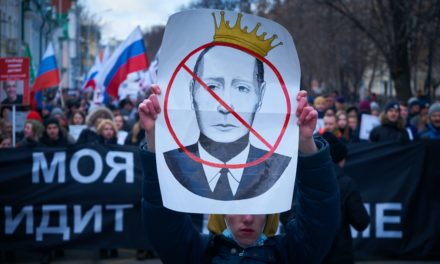
The Kremlin faces significant fiscal challenges, with the 2026 budget cycle projecting a deficit nearly double that of the previous year. In March, Russian military expenditures surpassed social welfare spending, prompting the government to draw from the National Welfare Fund at an unprecedented rate. As President Vladimir Putin continues military operations in Ukraine, the depletion of liquid assets has left the Central Bank with limited options beyond liquidating gold holdings and remaining yuan reserves.
Pour en savoir plus united24media.com








 French
  English
  Ukrainian
  German
  Spanish
  Chinese